-
-
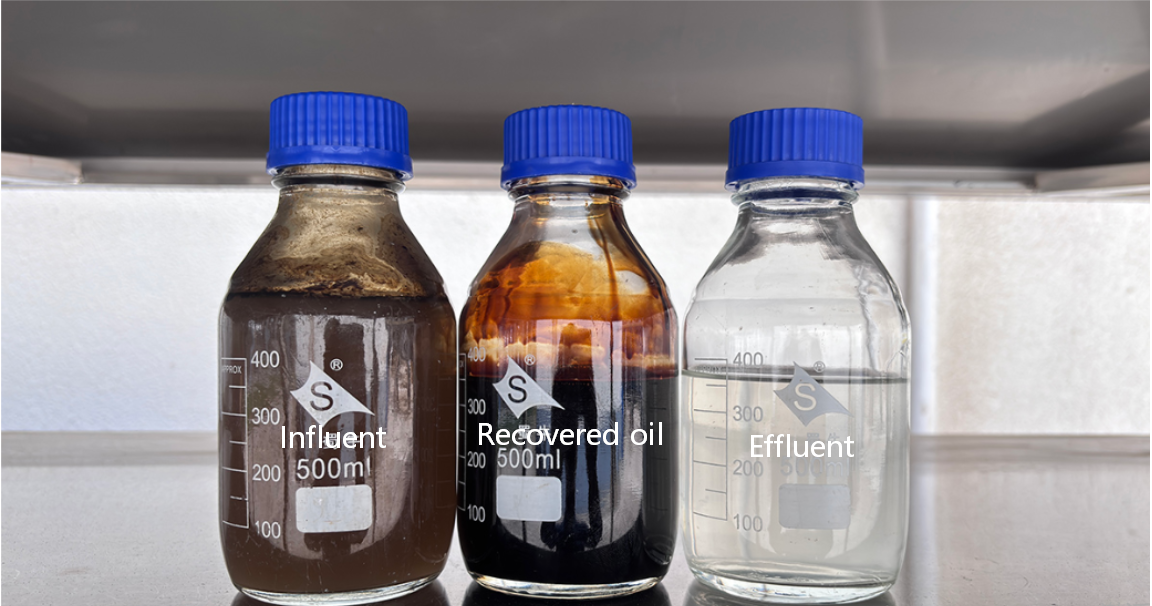
CDFU Process: Revolutionizing Oily Wastewater Treatment
2026-01-21The cyclonic dissolved gas flotation unit achieves 90-95% oil removal efficiency via synergistic cyclonic shearing and microbubble adsorption, outperforming traditional technologies.
-
-
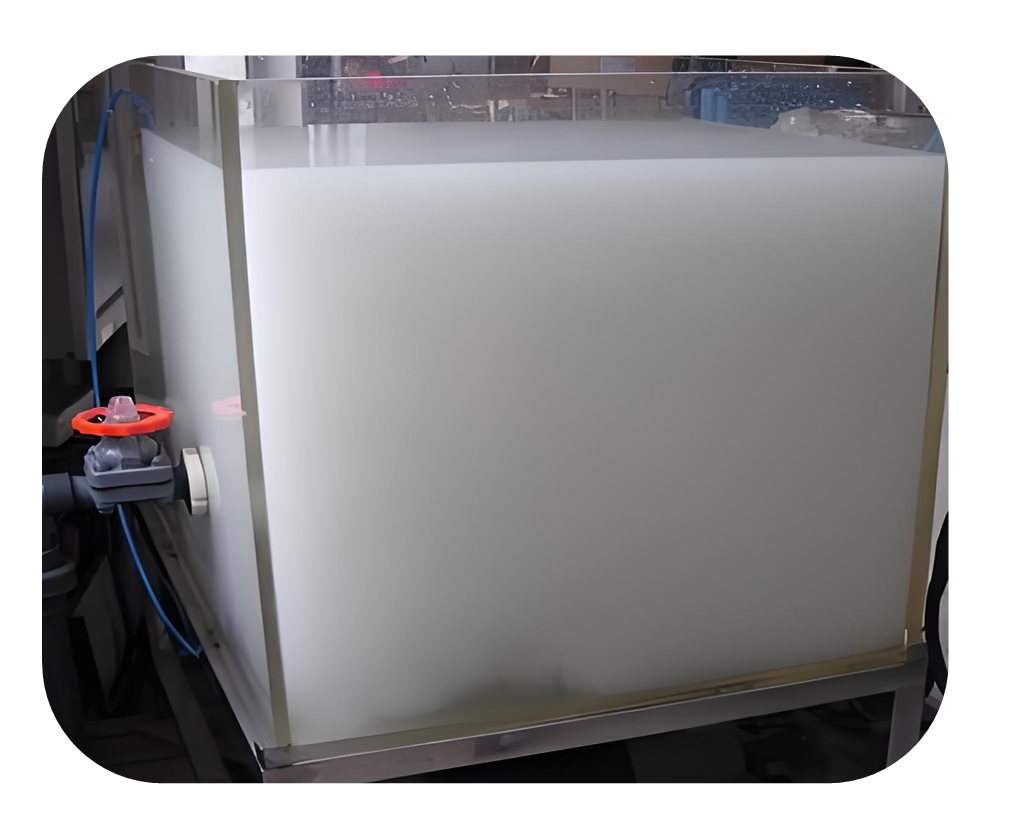
Advanced Treatment of Alcohol Wastewater Using CDOF Technology
2026-01-20Alcohol wastewater can generally be treated efficiently through biochemical processes. However, to improve the biodegradability of wastewater for subsequent biological treatment and to address issues
-
-
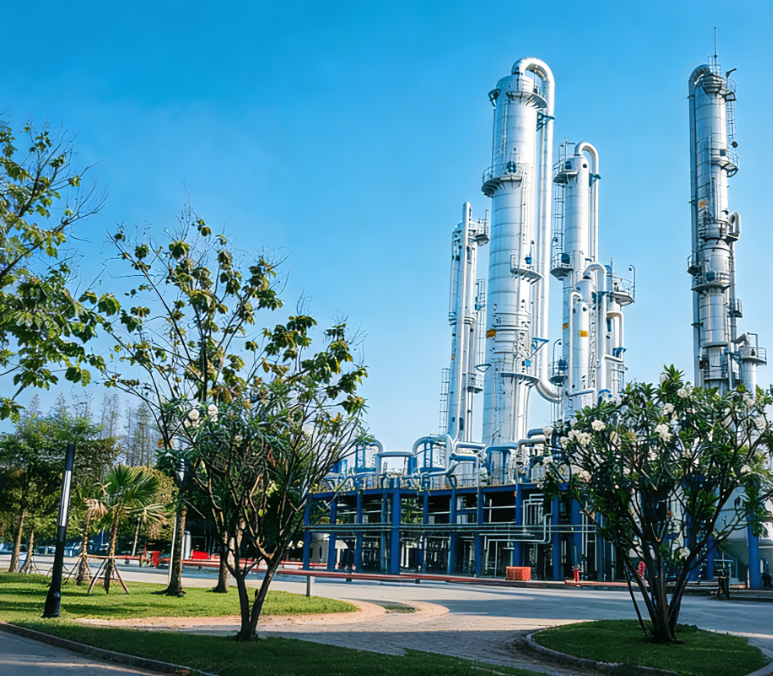
Characteristics and Pollution Challenges of Industrial Alcohol Production Wastewater
2026-01-20Industrial alcohol production is a fundamental sector of the national economy. Alcohol is widely used in the chemical industry, food processing, daily chemicals, pharmaceuticals, and healthcare, and a
-
-
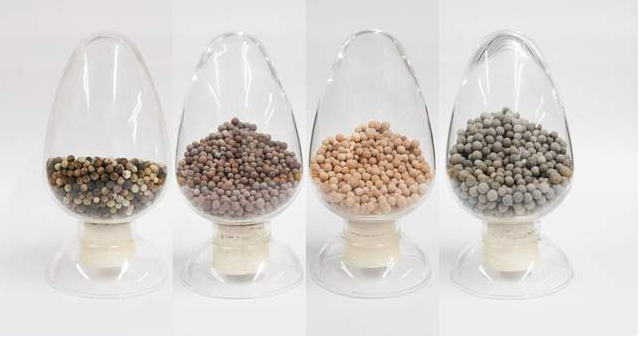
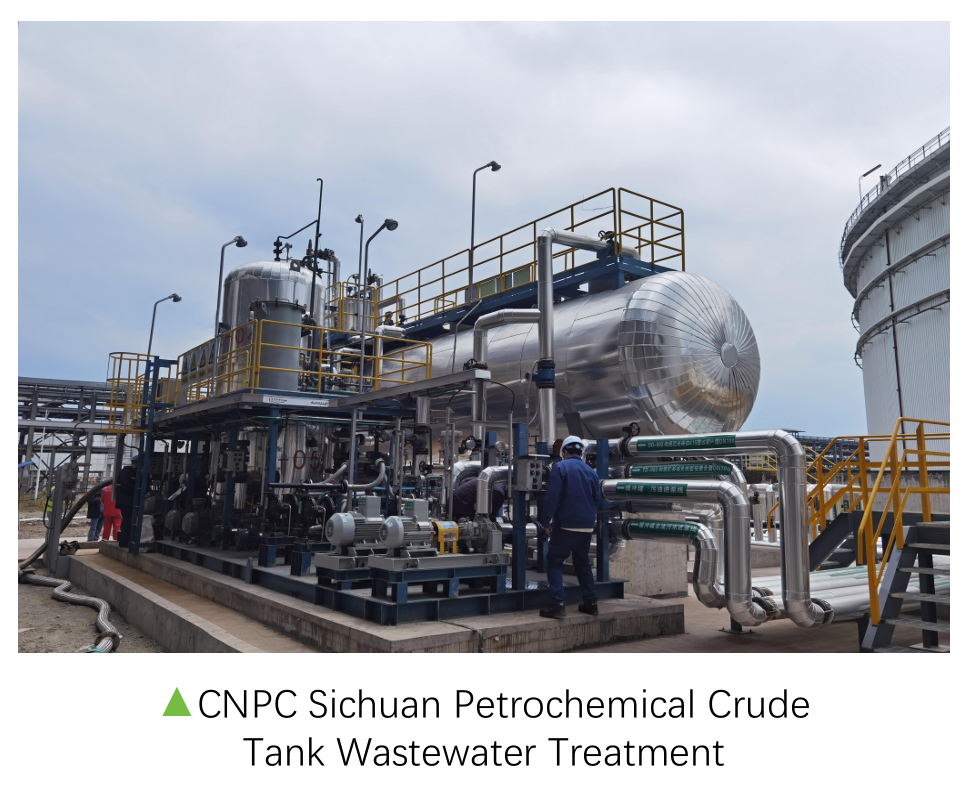
Advanced Ozone Oxidation: The Future of Water Treatment
2026-01-20Sinokle's KHC-F2001 catalyst boosts efficiency, cuts costs, and redefines eco-friendly water purification.
-
-
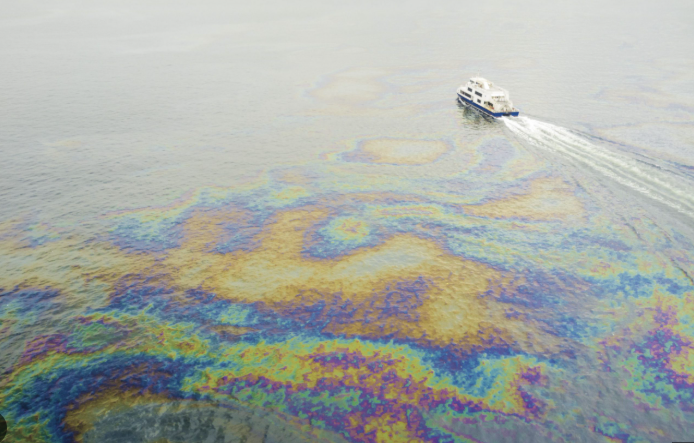
Innovative Oil-Water Separation Technology for Oil Storage Facilities
2026-01-19In the routine operations of oil storage facilities, oil-water separation is a critical step for efficient operation and safety management. Oil-water separation specifically refers to the process of e
-
-
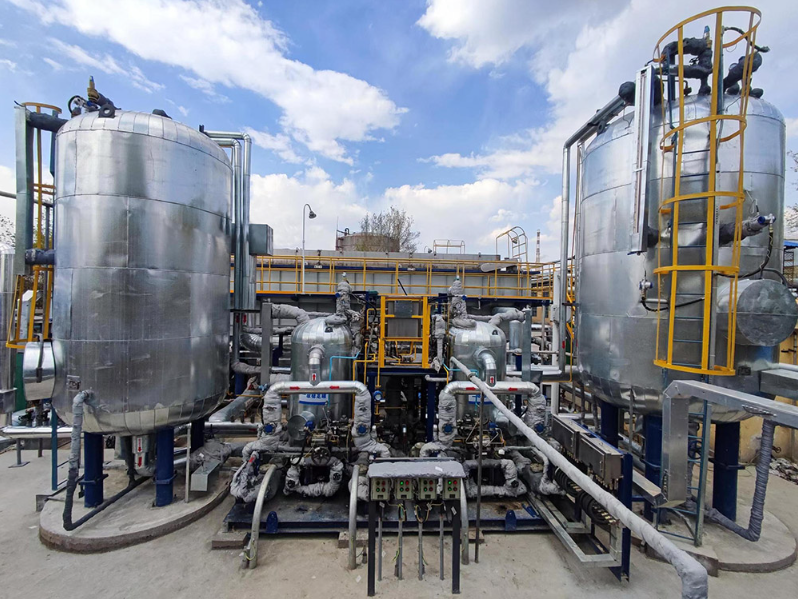
Traditional Techniques and Equipment for Oil-Water Separation in Wastewater Treatment
2026-01-19Oil-Water Separator Oil-water separators are commonly used for oil-water separation treatment. The main principle is based on the difference in density between oil and water, utilizing methods su
-
-
Beyond Traditional DAF: How CDFU Solves Oil-Water Separation Headaches
2026-01-19A pure physical demulsification + low-PAC solution that turns oily sludge hassle into cost-saving opportunities for wastewater facilities.
-

-
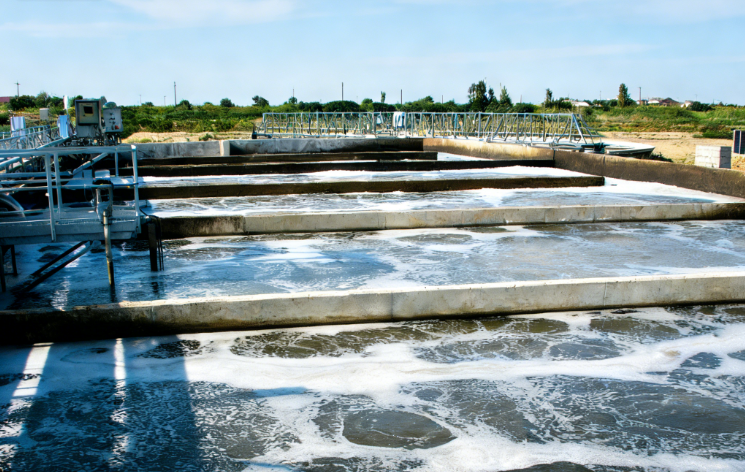
Key Challenges in the Treatment of High-COD Wastewater
2026-01-16The challenges of treating high-COD (Chemical Oxygen Demand) wastewater are mainly reflected in the following aspects: 1. Efficient Degradation of Organic Matter High Organic Concentration:H
-
-
Hazards of High COD Levels in Wastewater
2026-01-16High COD (Chemical Oxygen Demand) in wastewater can cause multiple adverse impacts, mainly affecting the ecological environment, human health, and industrial and agricultural activities. The major haz
-
-
Coal Washing Wastewater Treatment Process for Coal-Fired Power Plants
2026-01-16Sinokle’s 2-stage cyclonic dissolved air flotation system achieves efficient wastewater purification through physical methods, with no chemical additives and minimal sludge.