-
-
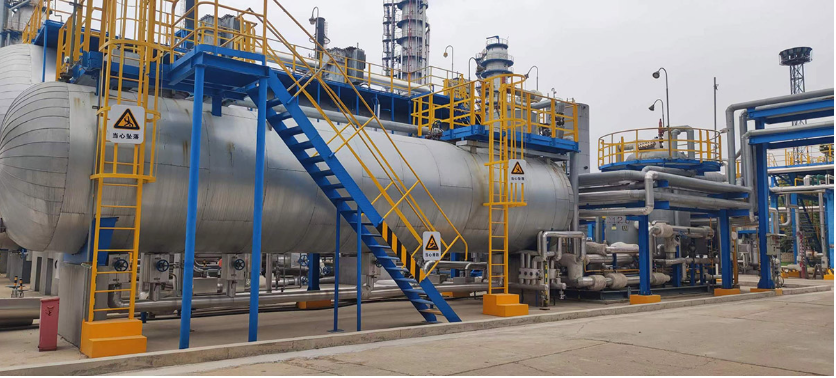
Core Principles of Sinokle Coalescing Pressure Oil Separator: Coalescence & Shallow Tank Theory
2026-01-24Leveraging coalescence, shallow tank principles and corrugated plate packing, Sinokle’s Coalescing Pressure Oil Separator maximizes oil droplet rising velocity and separation efficiency for oil-containing wastewater.
-
-
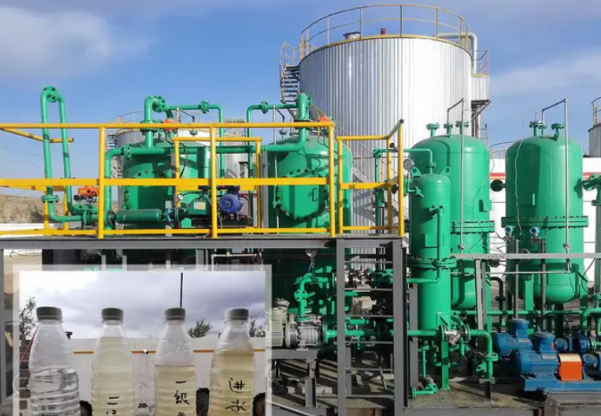
New Treatment Process for Oilfield Produced Water with CDFU Technology: Process Flow, Features, and Application
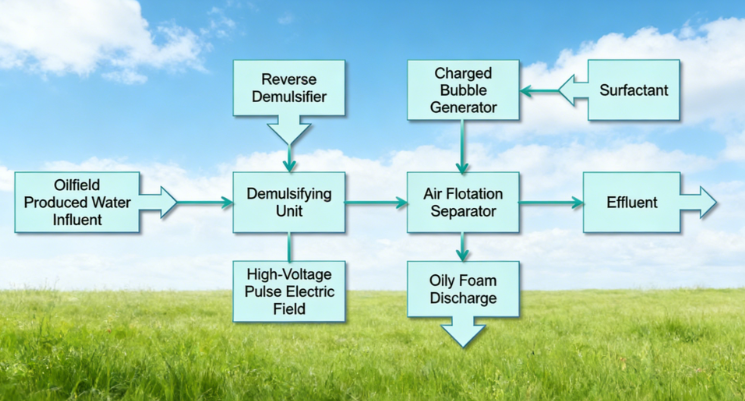
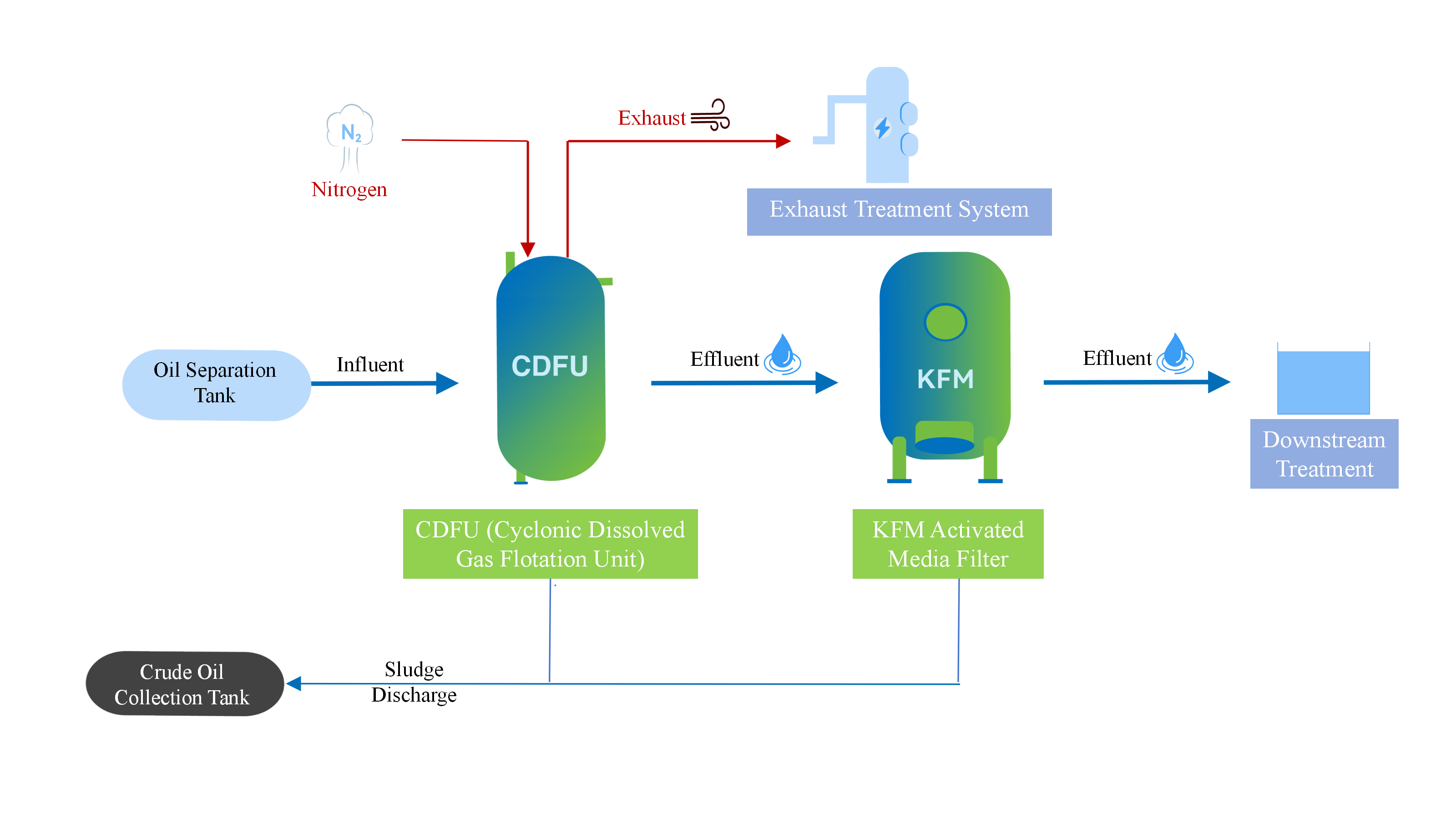
2026-01-231. Process Flow Currently, commonly used water separation technologies are mainly implemented through a combination of single technologies such as gravity sedimentation, cyclone, air flotati
-
-
Challenges and Limitations of Traditional Oilfield Produced Water Treatment Processes
2026-01-231. Process Flow 2. Process Disadvantages 2.1. Poor Oil-Water Separation Efficiency: Due to the suboptimal concentration of added chemicals or temperatur
-
-
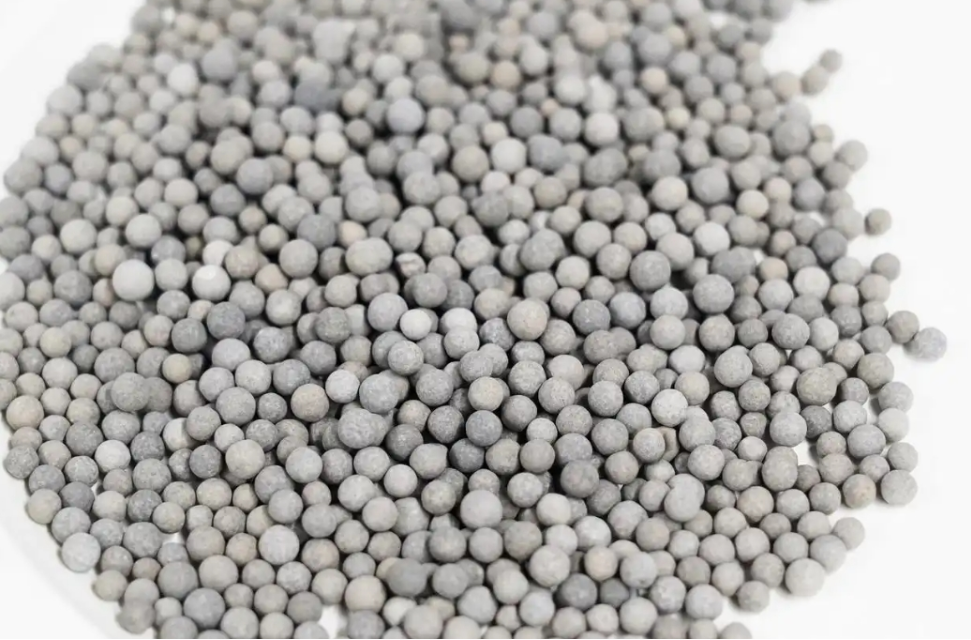
High-Performance Ozone Catalysts: Turning Spent FCC Catalysts into Valuable Resources
2026-01-23Sinokle’s innovative technology converts toxic spent FCC catalysts into high-efficiency heterogeneous ozone catalytic materials, boosting oxidation efficiency by 2-5 times.
-
-
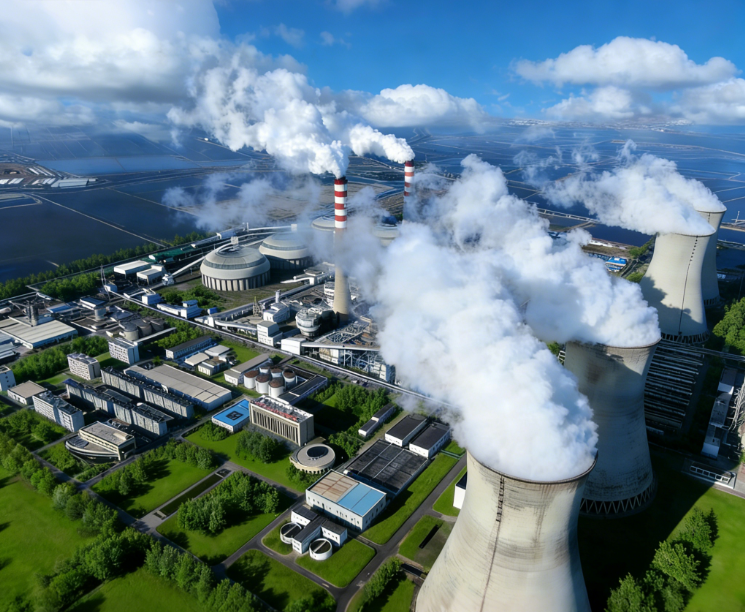
CDFU + KFM: The Ultimate Solution for Heavy Oil Power Plant Wastewater
2026-01-23Sinokle's integrated process achieves over 99.5% oil removal, turning problematic oil-containing wastewater into compliant, reusable water.
-
-
Produced Water Reinjection in China’s Oil and Gas Industry: Challenges, Standards, and Groundwater Protection
2026-01-22Oil and natural gas form the backbone of China’s energy system and are of critical importance to national energy security and overall socio-economic development. According to data from the Nation
-
-
Characteristics, Impacts, and Treatment Considerations of Oilfield Produced Water
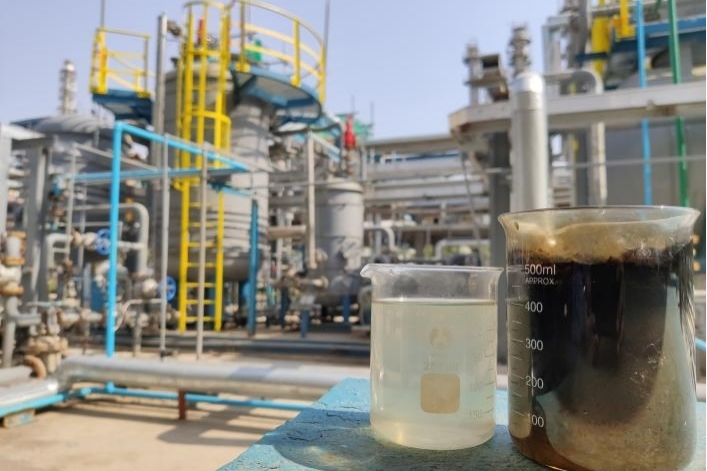
2026-01-22I. Definition Oilfield produced water refers to the water that is brought to the surface together with crude oil during oil production. It originates from underground water that is displaced and
-
-
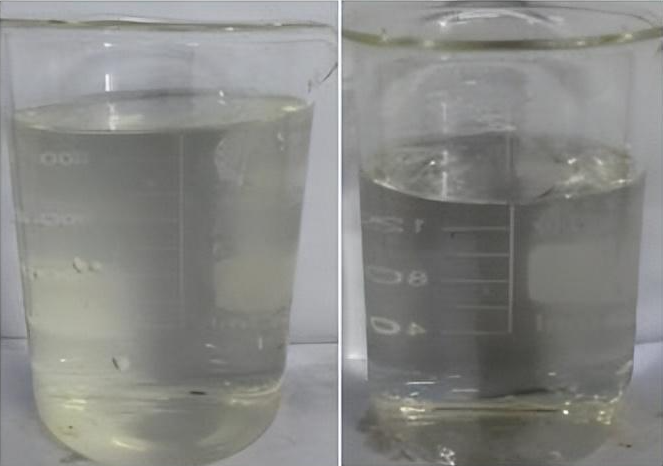
Sinokle’s New Tech: Revolutionize Electric Desalting Wastewater Treatment
2026-01-22Integrating CDFU and High-efficiency Coalescing Oil Separator to solve dissolved oil and emulsified oil removal challenges efficiently.
-
-
Efficient Treatment of Flavor Production Wastewater Using CDOF Technology for COD Reduction and Biodegradability Improvement
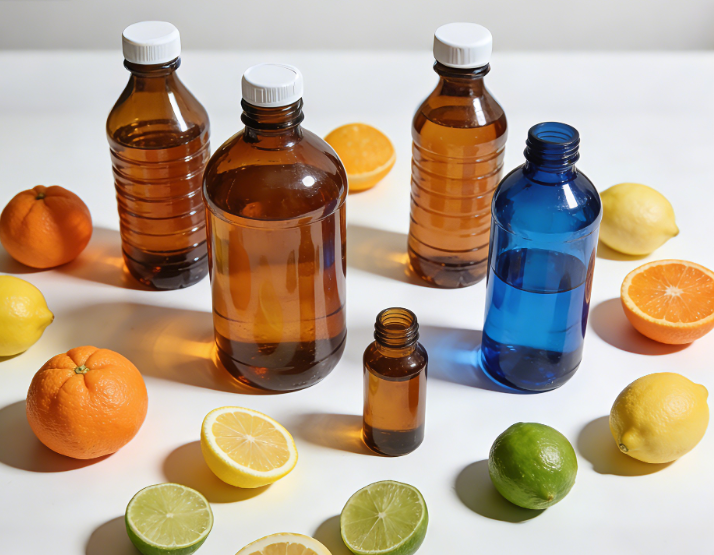
2026-01-21For the treatment of flavor production wastewater, the Shenzhen Clear Science & Technology Co., Ltd (SINOKLE) has combined its self-developed CDOF (Cyclonic Dissolved Ozone Flotatio
-
-
Flavor Production Wastewater: Challenges and Conventional Pretreatment Techniques
2026-01-21Flavor production is widely applied in various industries, including the food and daily chemicals industries. The organic components of wastewater from flavor production contain a large amount of arom