-
-
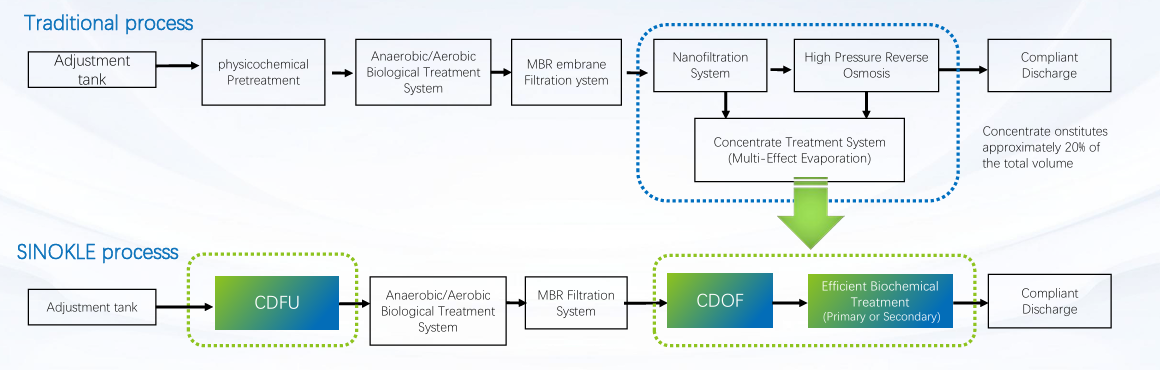
New Landfill Leachate Treatment Process: Components and Effects
2026-01-07The Shenzhen Clear Science & Technology Co., Ltd (SINOKLE) has developed a comprehensive treatment process for landfill leachate, centered around the CDFU technology, to address the chal
-
-
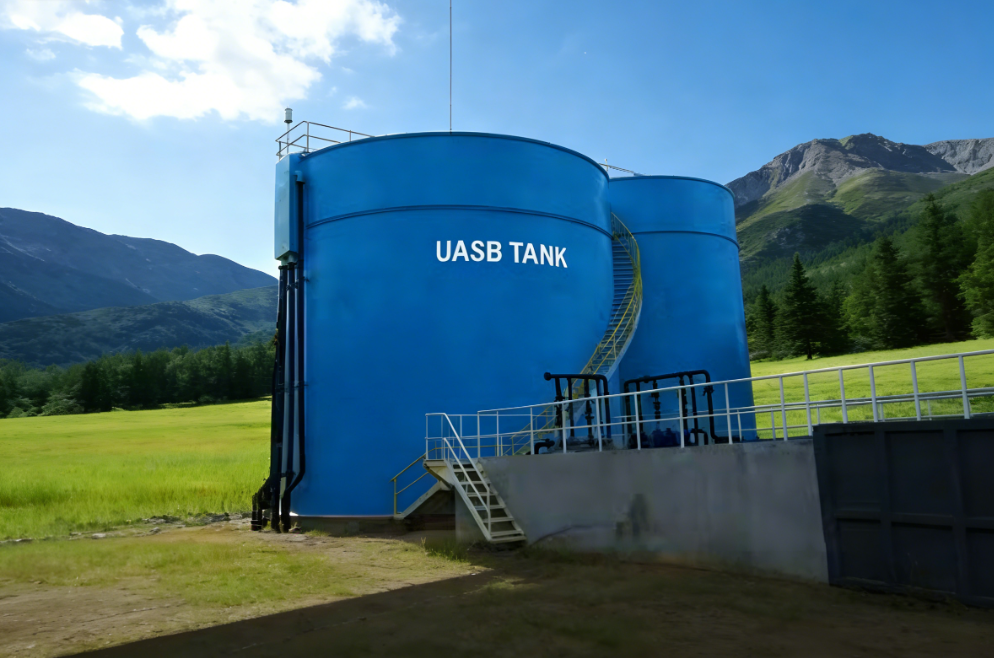
Common Chemical and Biochemical Treatment Processes for Landfill Leachate
2026-01-06Chemical Processes: Precipitation This process involves adding soluble chemical reagents to water, causing them to react with dissolved pollutants to form insoluble solid precipitates. These
-
-
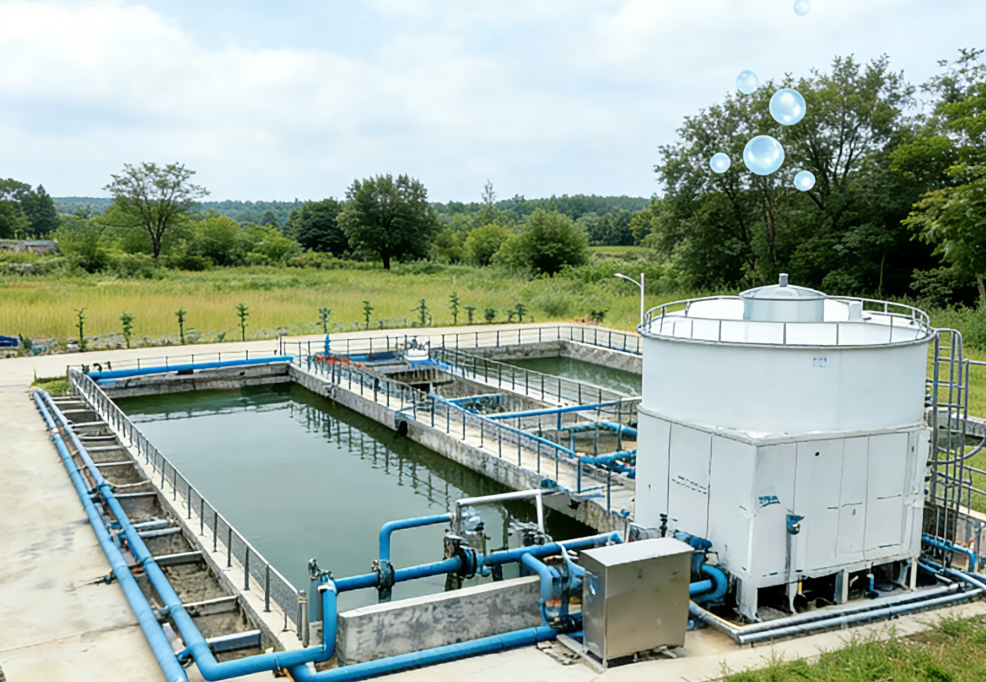
An Overview of Common Physical Treatment Processes for Landfill Leachate
2026-01-06Physical treatment processes are the most direct approach to managing landfill leachate, with significant effectiveness. These processes utilize a series of methods such as physical adsorption, gas st
-
-
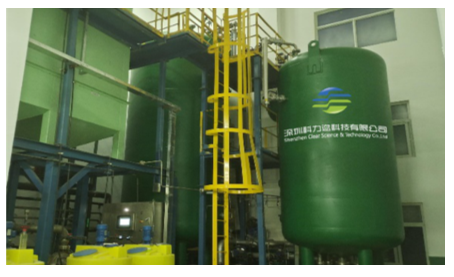
Overcoming the Difficulty in Wastewater Treatment: the Advantages of Sinokle’s CDOF Technology
2026-01-06This cutting-edge catalytic oxidation technology integrates advanced principles with proven reliability, offering a one-stop solution for treating refractory, high-toxicity organic wastewater.
-
-
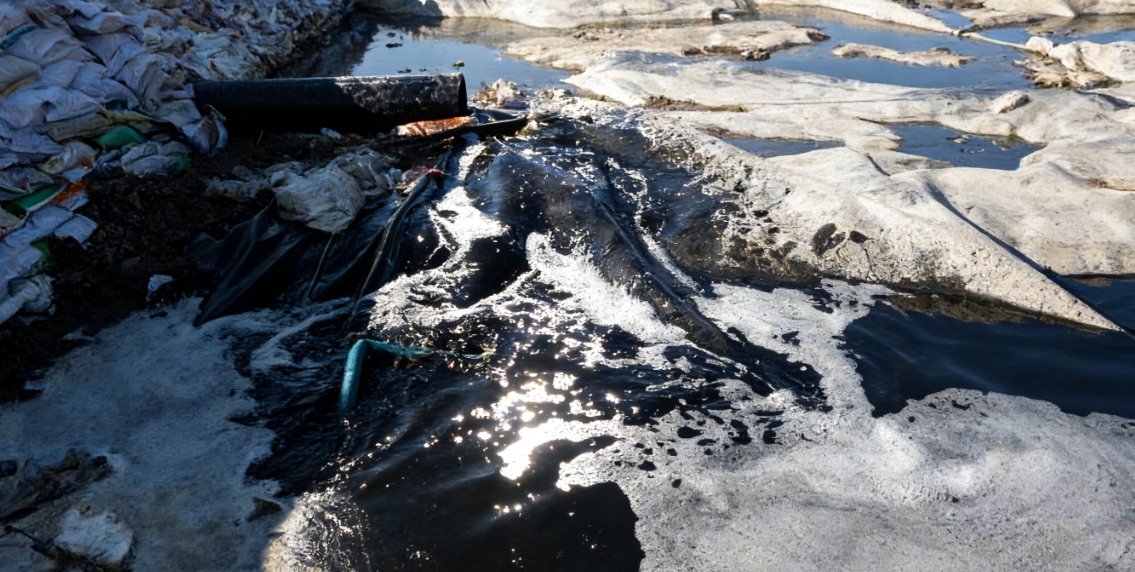
What pollutants are included in landfill leachate?
2026-01-051. Organic Pollutants In urban landfills, household waste constitutes the majority. This waste contains a high proportion of kitchen waste, which is mostly made up of organic mat
-
-
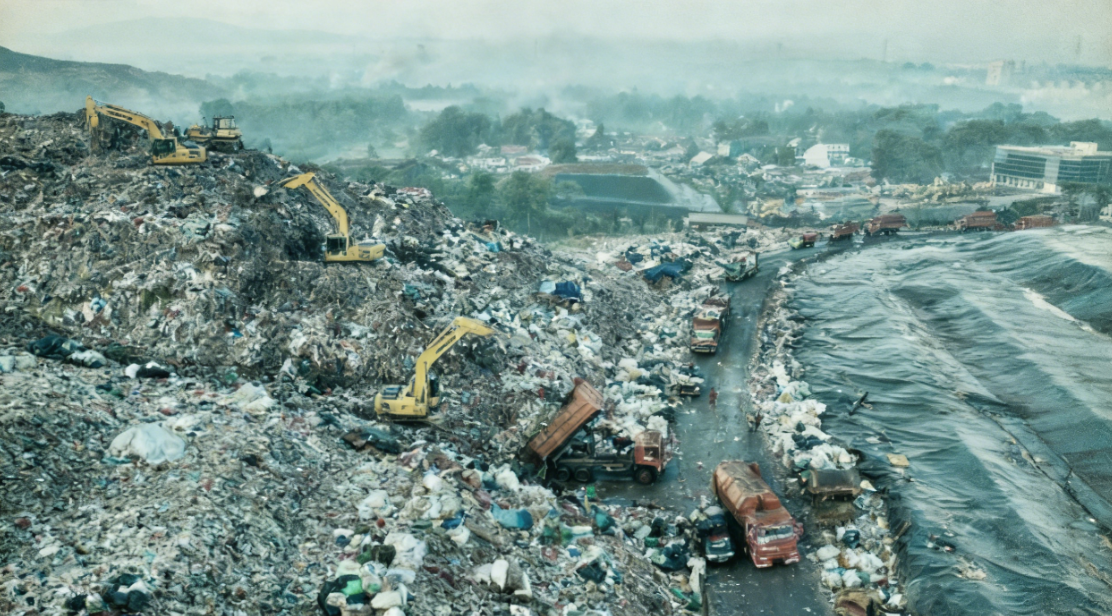
Types and Characteristics of Landfill Leachate
2026-01-05As urbanization continues to advance and develop in many countries around the world, the population is increasingly concentrated in cities. This has led to a significant rise in the amount of municipa
-
-
Redefining Industrial Wastewater Treatment with Nanoscale Bubble Innovation
2026-01-05By leveraging the unique physicochemical properties of ultra-fine nanobubbles, Sinokle delivers a robust, efficient, and sustainable solution for treating even the most challenging industrial effluents—without catalysts or secondary pollution.
-
-
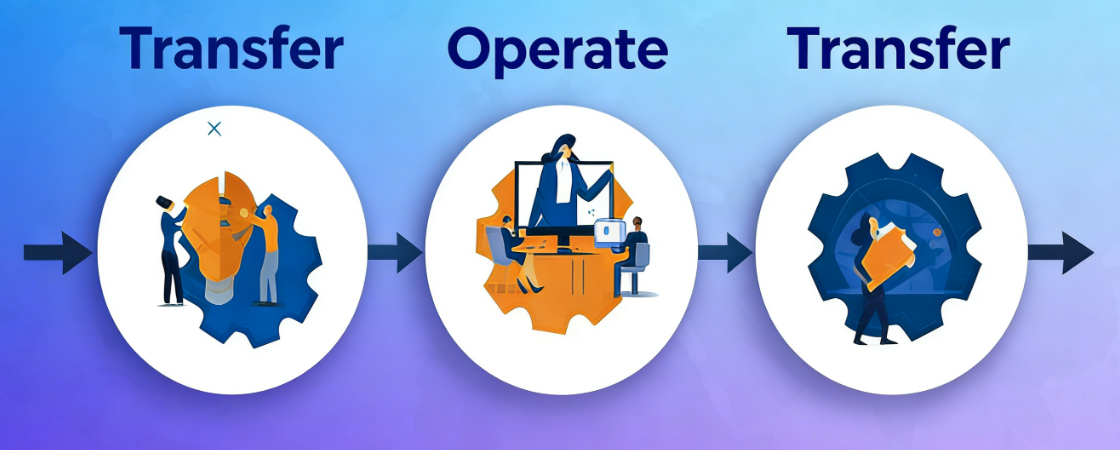
Introduction to Industrial Water Treatment Mode: TOT
2026-01-04The TOT (Transfer-Operate-Transfer) industrial water treatment mode is an important kind of public-private partnership (PPP) mode, particularly suitable for existing industria
-
-
Introduction to Industrial Water Treatment Mode: PPP
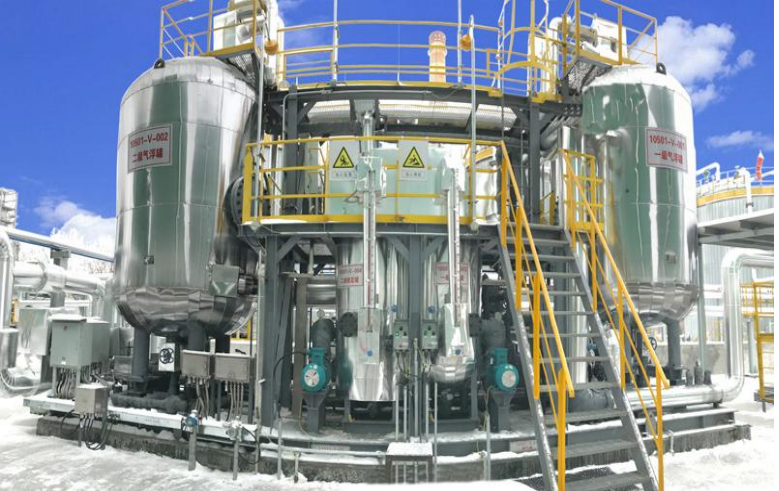
2026-01-04The PPP (Public-Private Partnership) industrial water treatment mode is a cooperation method between the government and social capital, specifically applied in the field of industrial water
-
-
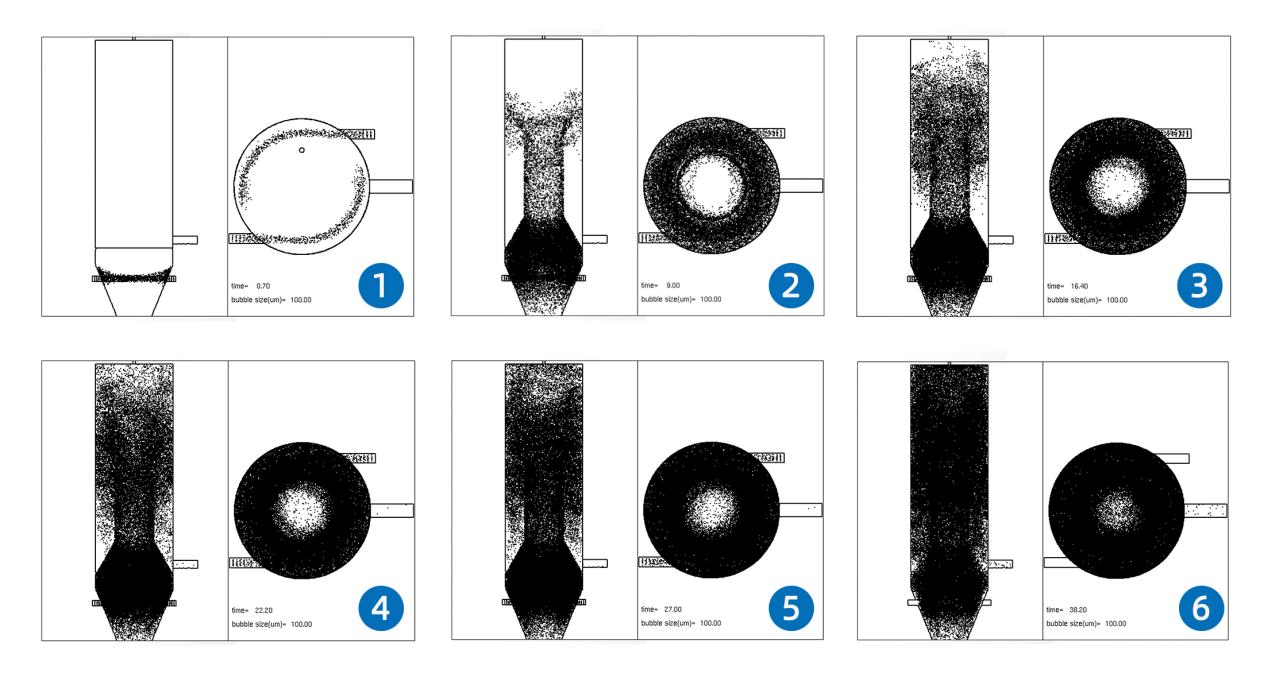
Analysis of CDFU technology: How cyclonic flow and micro-bubbles achieves efficient oil-water separation
2026-01-04This essay give detailed analysis on how CDFU, an innovative oil-water separation unit, works to separate emulsified oil from the wastewater with physical method.