Relevant Recommendation
Heterogeneous Catalyst
Product Details
Technology Introduction
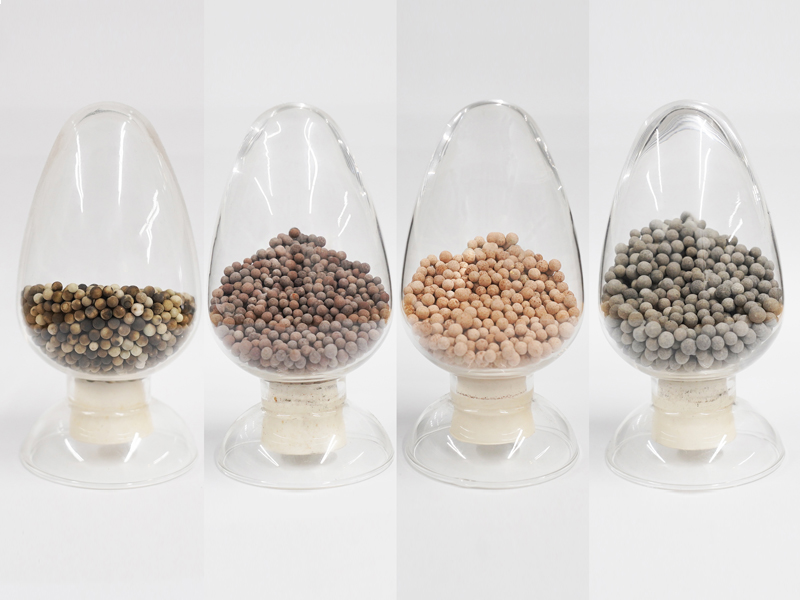
The company’s proprietary technology combines various active metal oxides (including precious metals), high-porosity micropore-forming technology, hydrophilic surface modification for pollution resistance and anti-blocking, and other advanced technologies into an integrated catalytic product.


Technological Advantages
· High Catalytic Activity and Adaptability
Various transition metal oxides and precious metals are used as catalytic components, providing excellent adaptability and high catalytic activity for different types of wastewater.
· High Stability and Low Loss Rate
Multi-stage, precisely temperature-controlled sintering technology is applied to enhance catalyst stability while maintaining high activity, effectively reducing material loss during operation and preventing secondary pollution.
· Optimized Structure and Long Service Life
High-activity materials are used as catalyst carriers, combined with specialized pore-forming technology to achieve a high specific surface area, strong mechanical strength, and long service life.
· Excellent Anti-Fouling Performance
The catalyst is modified using atomic deposition technology, endowing the catalyst carrier with super-hydrophilic properties. This significantly improves resistance to contamination, scaling, and clogging, enabling stable long-term operation.
· Enhanced Ozone Oxidation Efficiency
The catalyst accelerates the self-decomposition of ozone in water, increasing the generation of hydroxyl radicals (·OH) and significantly enhancing oxidation performance. The overall oxidation efficiency is 2–5 times higher than that of ozone oxidation alone.