-
-
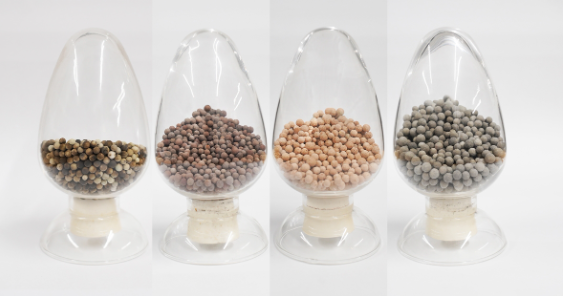
New Breakthrough in Wastewater Treatment: Application of Precious Metal Heterogeneous Catalyst
2026-01-16Built for harsh environments, Sinokle’s acid-resistant, precious metal-doped catalyst delivers stable, high-yield oxidation across pharma, textiles, and petrochemical sectors.
-

-
Application of Ozone in Oilfield Wastewater Treatment
2026-01-15Oilfield wastewater has three sources: the first source is drilling fluids and their return flow, the second source is oil well fracturing flowback, and the third source is wastewater produced during
-
-
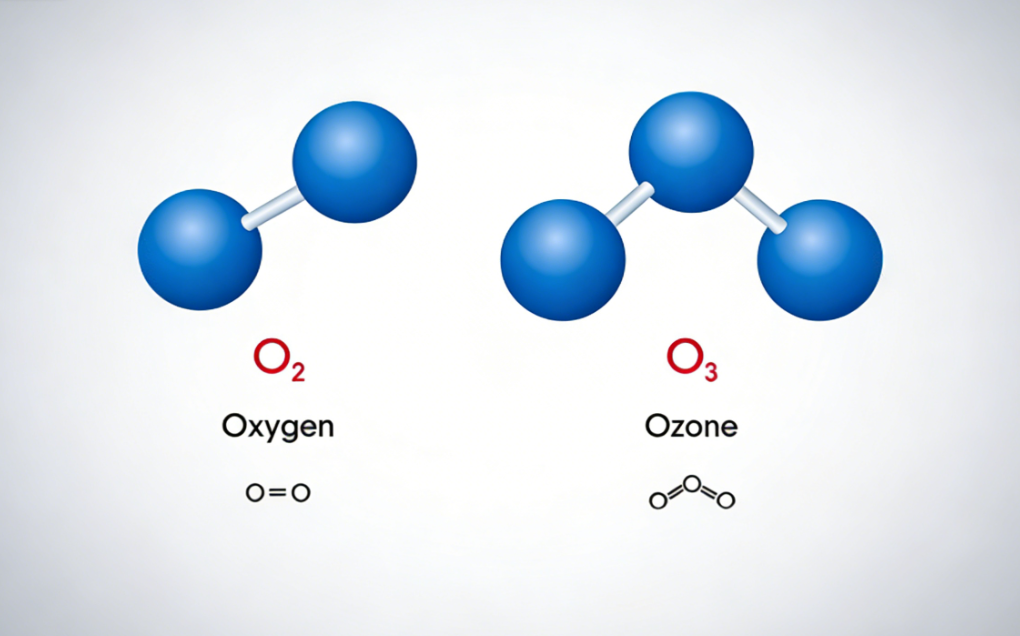
Physical and Chemical Properties, Uses, Advantages and Disadvantages of Ozone
2026-01-15During the oil extraction process, considerable amounts of wastewater are generated from activities such as drilling, fracturing, and crude oil dehydration. This wastewater typically contains organic
-

-
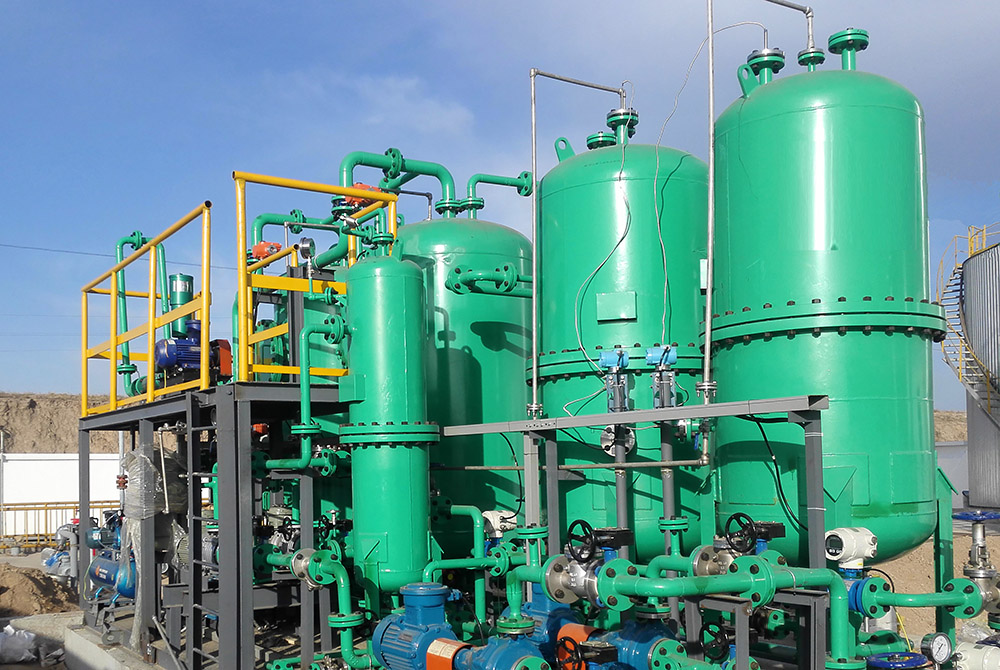
Revolutionizing Tank Farm Dewatering: Sinokle’s Chemical-Free CDFU Solution
2026-01-15A compact, skid-mounted system that removes >5µm oil droplets without chemicals—boosting safety, efficiency, and profitability.
-
-
Beyond Sieving: How KFM Activated Media Filter Redefines Oilfield Wastewater Filtration
2026-01-15By leveraging nanostructured surfaces and permanent electrostatic adsorption, KFM overcomes the limitations of traditional filters in treating complex polymer-containing produced water.
-
-
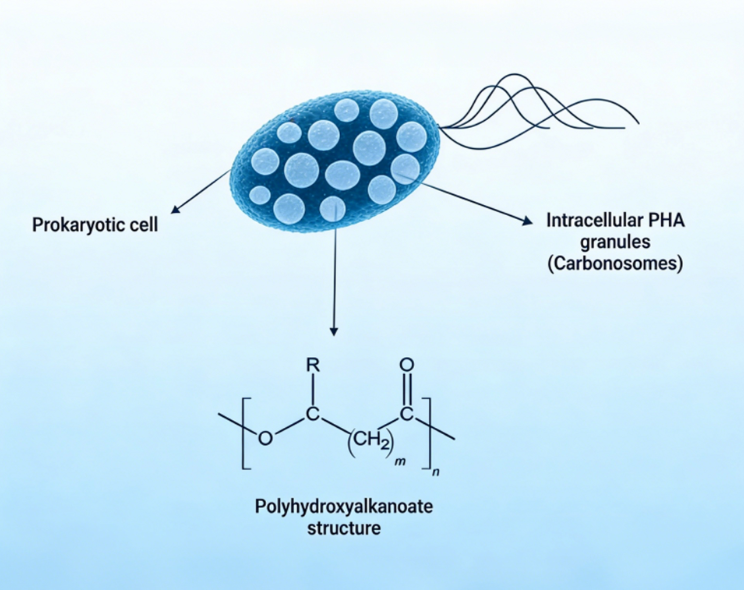
Multiple Factors Affecting Total Phosphorus Removal in Wastewater Treatment
2026-01-14The removal of phosphorus in wastewater treatment involves the release of phosphorus by polyphosphate-accumulating organisms (PAOs) under anaerobic conditions and the excessive uptake of phosphorus un
-
-
Factors Affecting Total Nitrogen Removal Efficiency in Wastewater Treatment
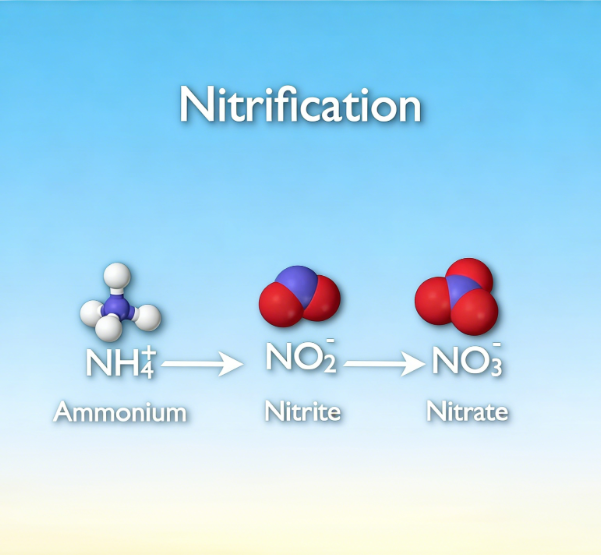
2026-01-14Denitrification in wastewater treatment is based on the biological nitrification process, with the addition of biological denitrification, which refers to the biochemical process where nitrate in wast
-
-
Beyond Membranes: A New Paradigm for Fracturing Flowback Treatment
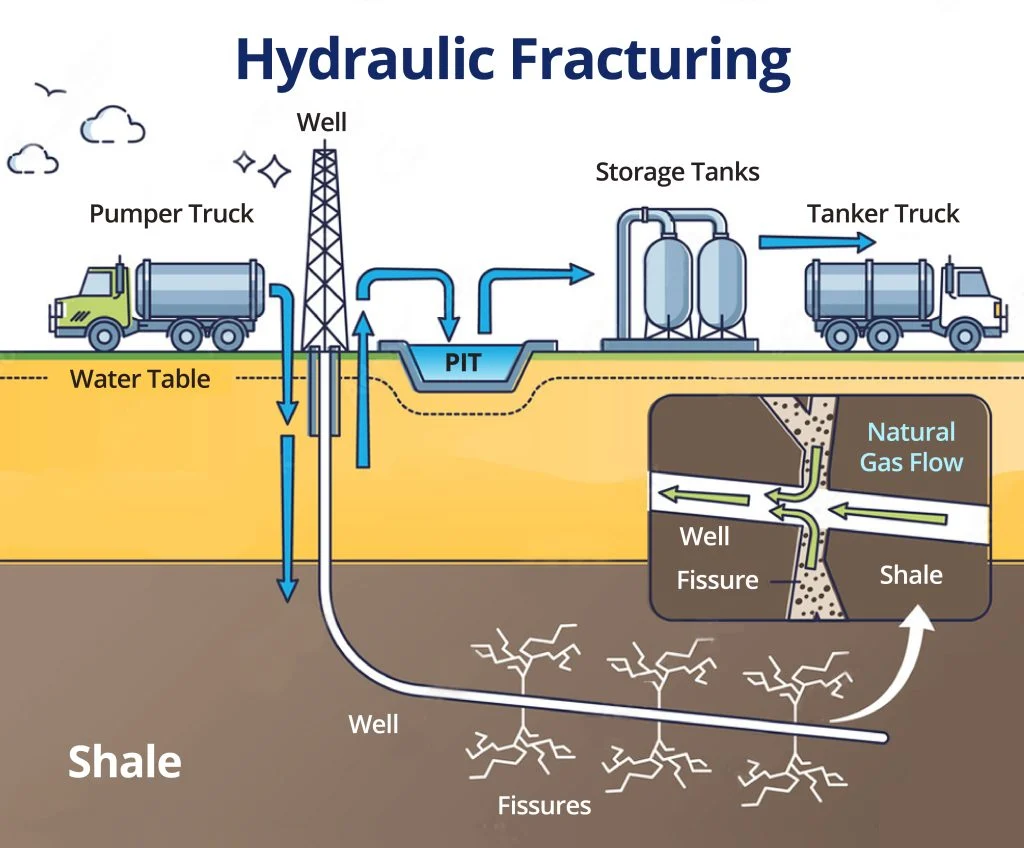
2026-01-14Sinokle replaces fragile, energy-intensive RO systems with a robust, multi-stage physical-chemical process that handles variability without breaking a sweat.
-
-
Reasons Affecting Ammonia Nitrogen Removal Efficiency in Wastewater Treatment
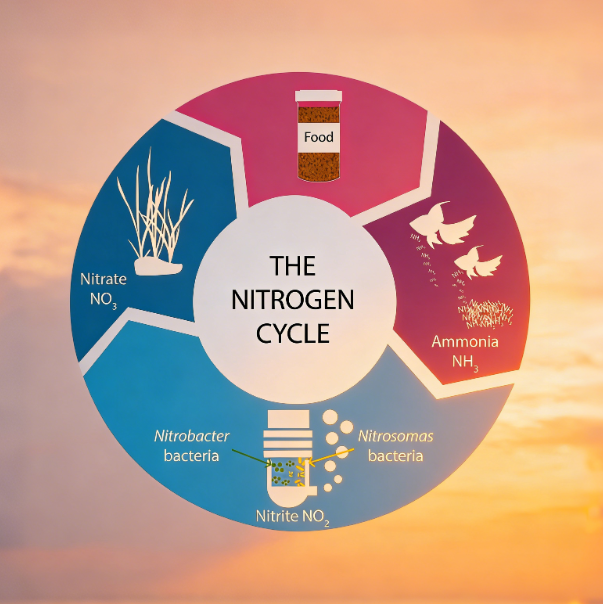
2026-01-13The removal of ammonia nitrogen in wastewater is mainly achieved by applying a nitrification process based on the conventional activated sludge process, typically by extended aeration&n
-
-
Main Factors Affecting COD Removal Performance in Wastewater Treatment
2026-01-13The main factors affecting COD removal performance include: 1. Nutrients In general municipal wastewater, nutrients such as nitrogen and phosphorus are usually sufficient—and often exc