-
-
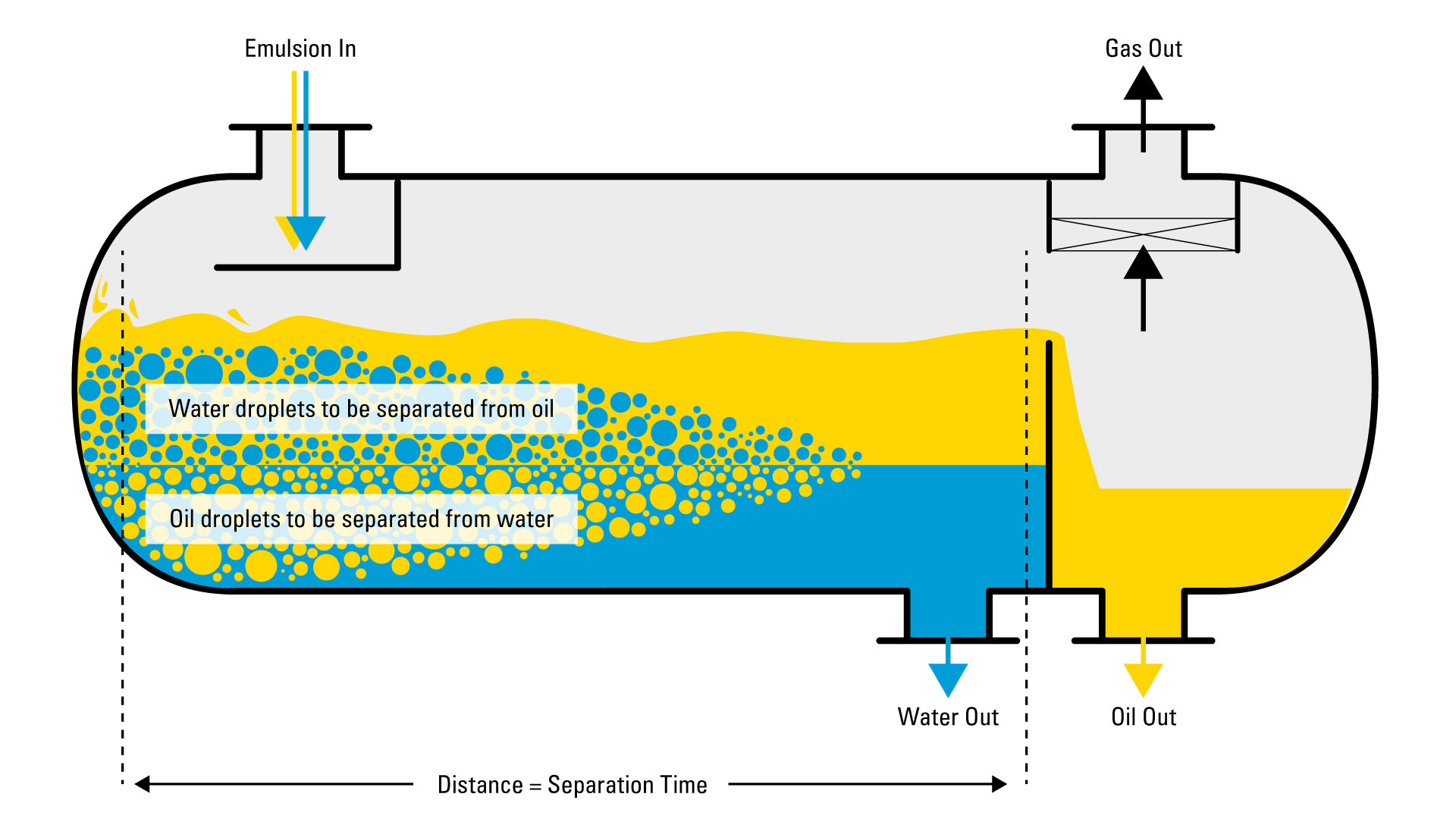
Why Emulsified Oil Is the Biggest Headache in Oily Wastewater Treatment?
2026-01-30It reveals the core reasons why emulsified oil is hard to treat, including its stable structure and the ineffectiveness of conventional methods.
-
-
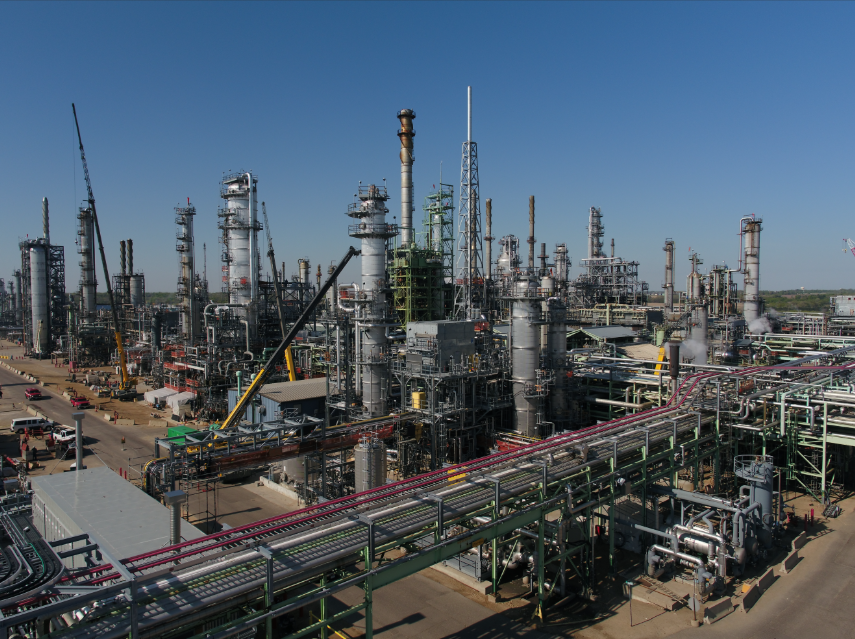
The bankruptcy of Shandong's local oil refining giant, Huifeng Petrochemical, warns: Winter is Here
2026-01-30The bankruptcy of Shandong Huifeng Petrochemical, a top 500 Chinese enterprise and a core local refinery, exposes the systemic challenges facing China’s local refinery industry amid policy shifts, market upheaval and the new energy revolution.
-
-
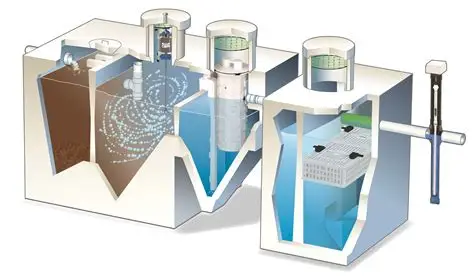
Three Wastewater Treatment "Heroes": MBBR, A/O & Fenton Oxidation
2026-01-29Discover the core principles of three key technologies that turn turbid sewage into reusable reclaimed water.
-
-
The "Purification Codes" of Wastewater in Various Industries in One Article
2026-01-29It’s not a "one-size-fits-all" process — refinery wastewater needs oil removal first, while power plant wastewater focuses on desalination.
-
-
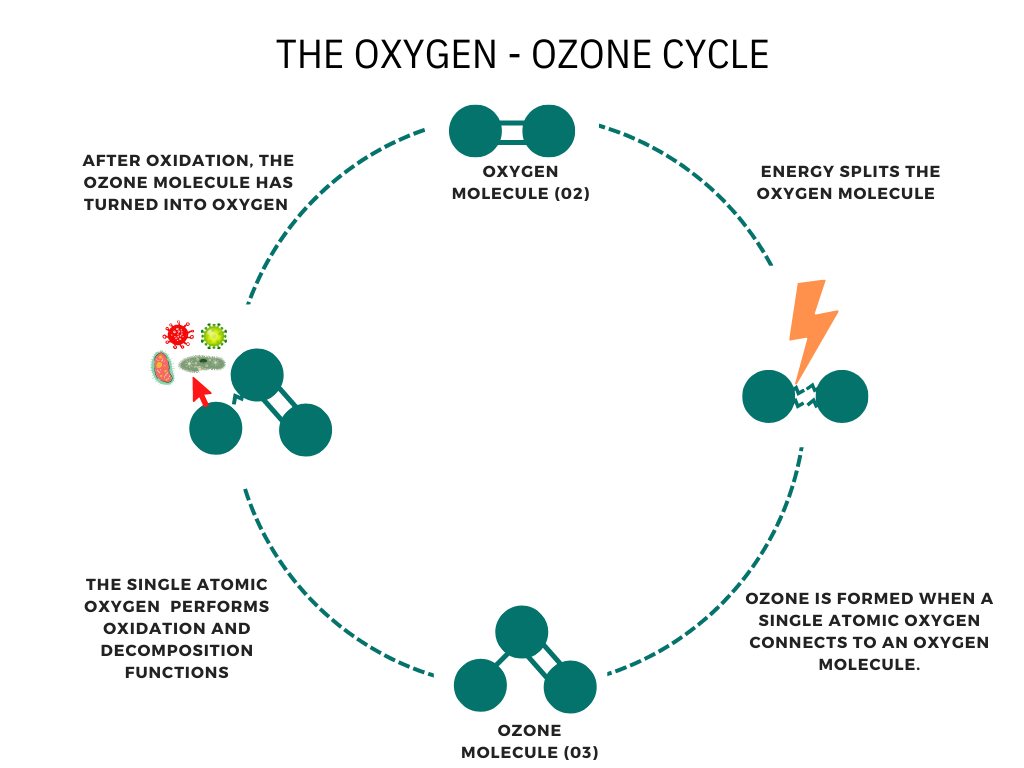
How Ozone Conquers "Invisible Threats" in Wastewater
2026-01-26It explores ozone's ability to eliminate micro-pollutants like pharmaceutical residues and refractory organics through hydroxyl radicals.
-
-
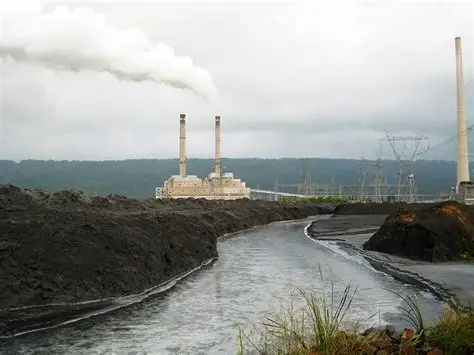
The Hidden Journey of Power Plant Wastewater: From Waste to Wealth
2026-01-23Power plant wastewater undergoes a rigorous multi-stage treatment process, realizing not only up-to-standard discharge but also resource recycling to build a green water cycle.
-
-
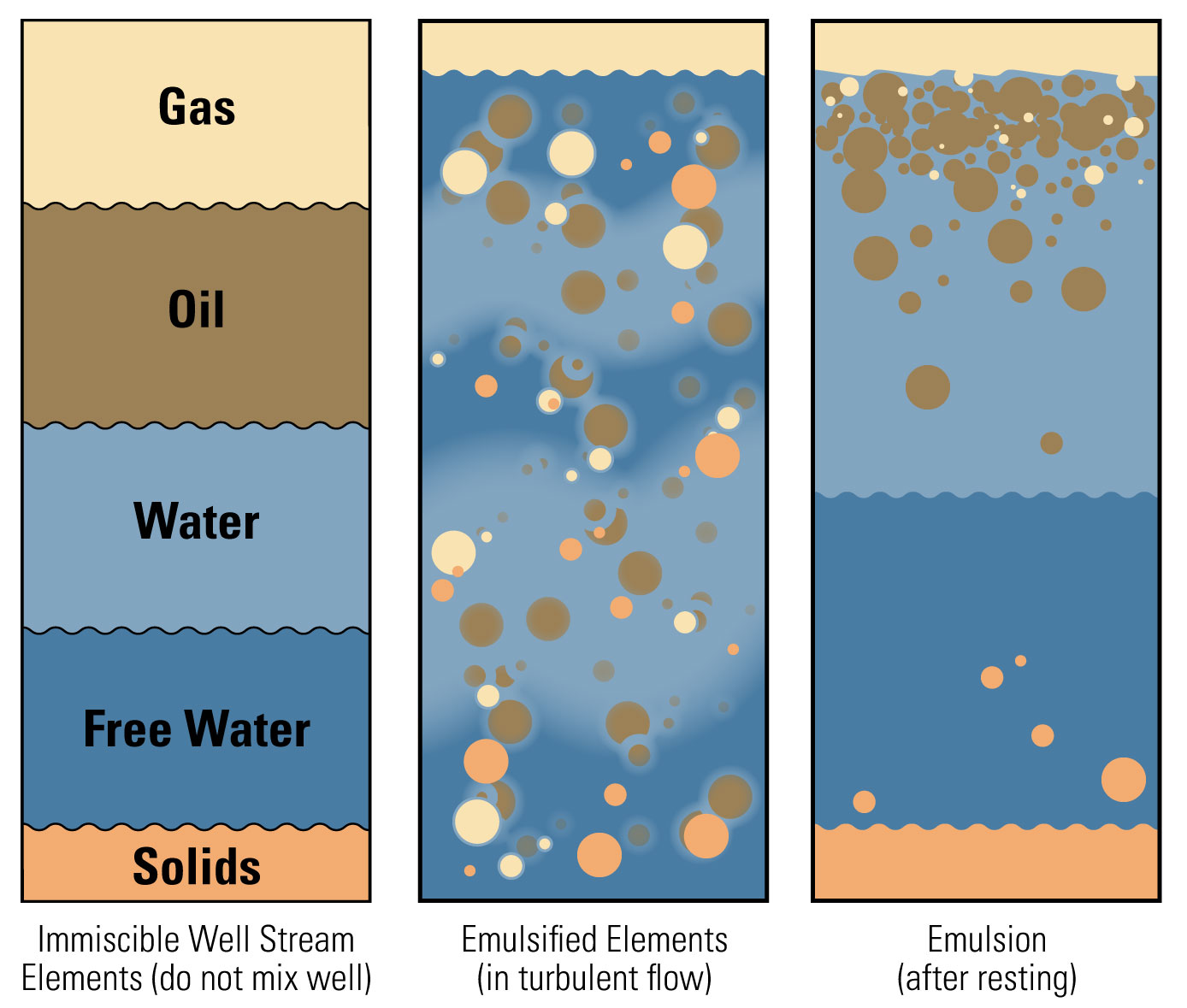
"Stubborn Molecules" in Industrial Wastewater: Why Is Emulsified Oil Hard to Treat? How to Overcome It?
2026-01-21Uncover the two core reasons behind the stability of emulsified oil and the mainstream technologies to conquer it
-
-
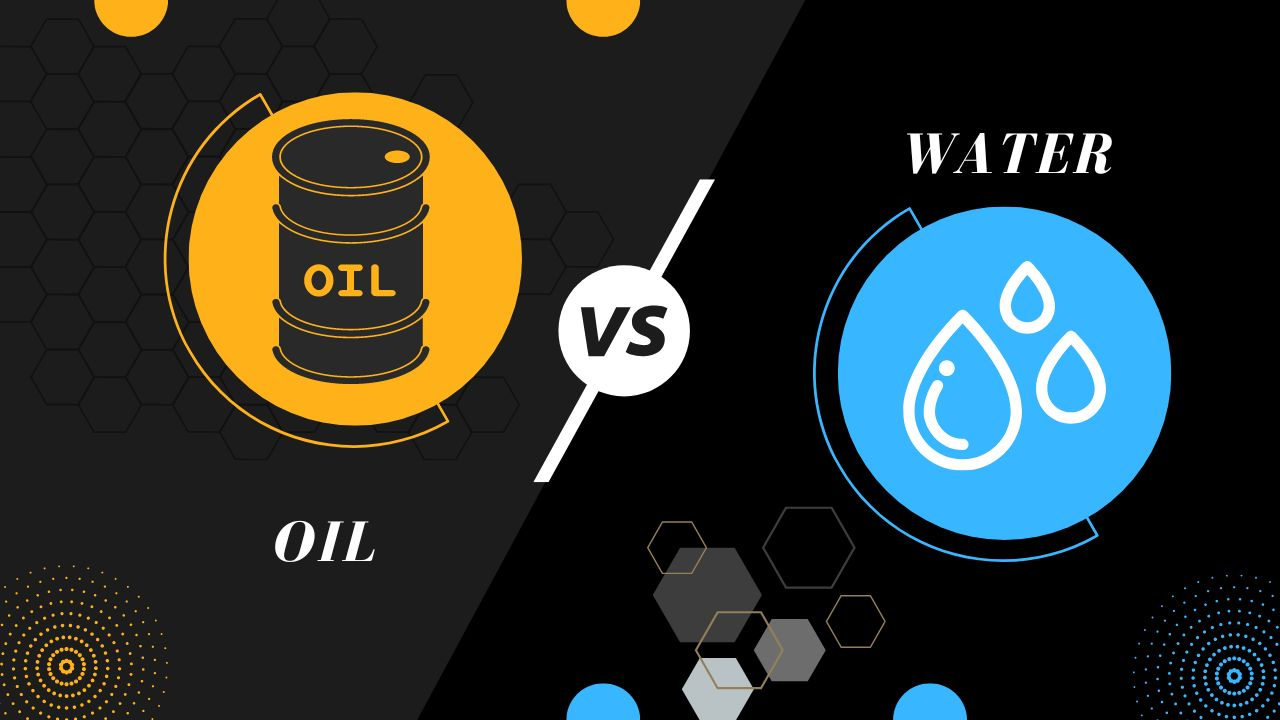
Light Oil vs. Heavy Oil: The Water Divide You Never Knew
2026-01-20Light oil wastewater is easy to clean; heavy oil’s sticky, high-salt sludge demands advanced tech to avoid polluting rivers and aquifers.
-
-
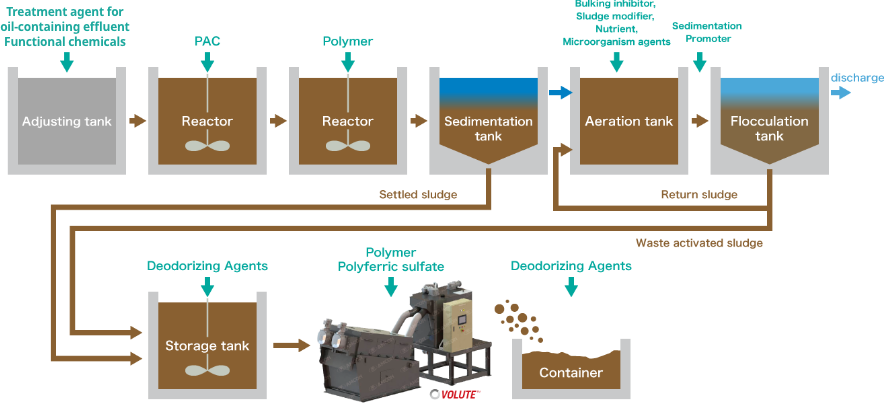
When Water Gets Sticky: The Hidden Challenge of Polymer-Rich Wastewater
2026-01-19Synthetic polymers boost industrial efficiency—but their escape into wastewater creates a viscous, persistent pollution problem we’re only beginning to solve.
-
-
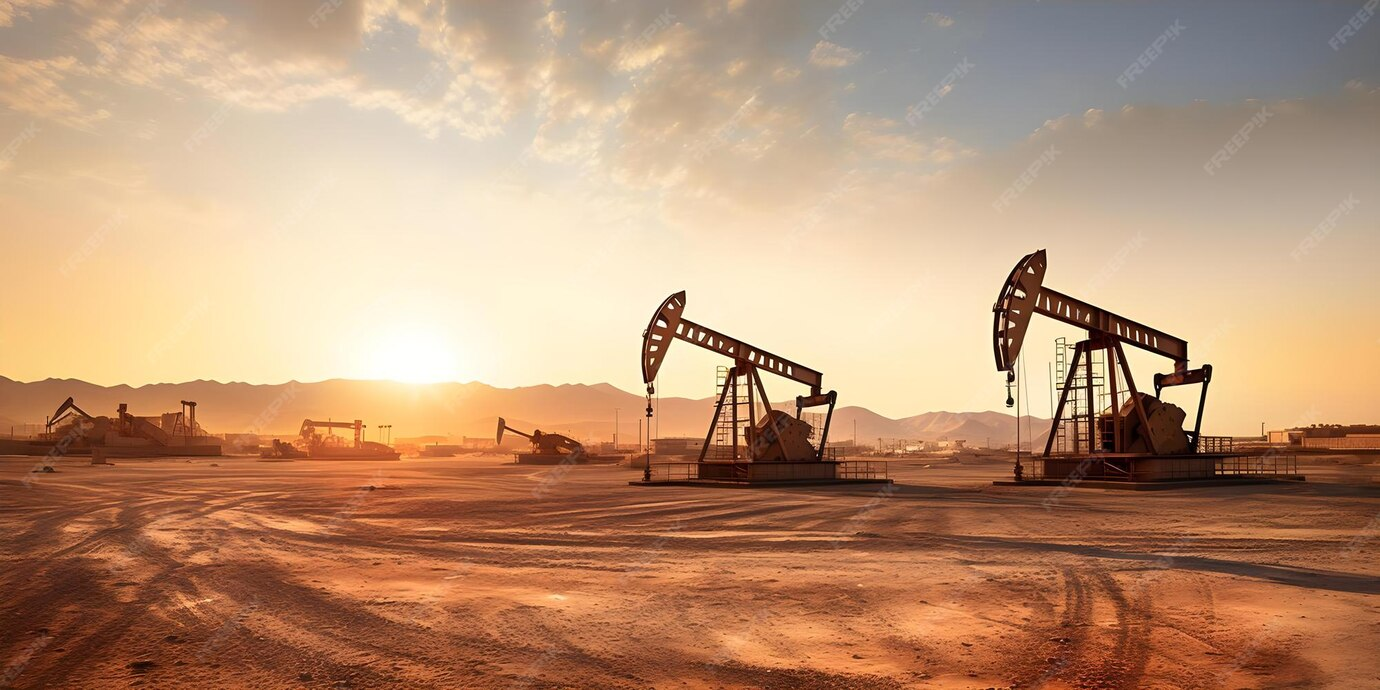
The "Hidden Byproduct" of Oil Extraction: Produced Water Generation and Management
2026-01-16Oil powers our world—but for every barrel pumped, up to 10 barrels of toxic wastewater rise with it.