-
-
Electro-Desalting Wastewater Treatment for Refineries: CDFU
2025-11-21Designed for refinery scenarios, CDFU cyclonic dissolved air flotation equipment efficiently handles electro-desalting wastewater’s complex pollutants via integrated physical separation technologies.
-
-
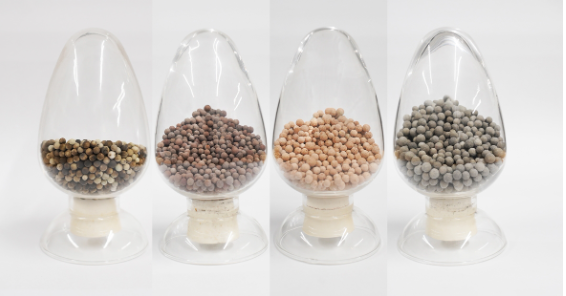
Breakthrough Catalyst Technology by Sinokle: Enhancing Ozone Oxidation Performance & Economic Viability
2025-11-20With high-activity components, porous support design, and superhydrophilic modification, Sinokle’s catalysts minimize energy consumption, reduce ozone dosage, and achieve deep organic pollutant removal.
-
-
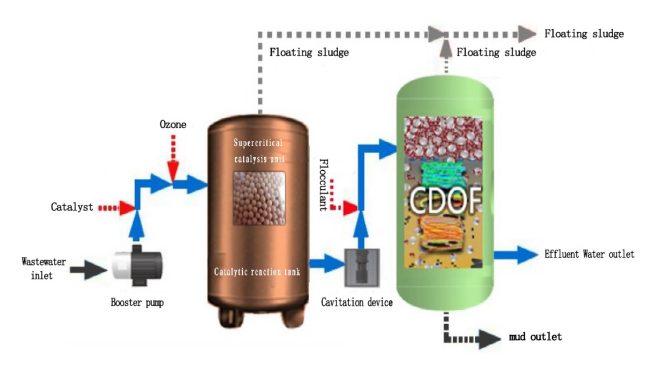
CDOF Technology: Integrated Solution for Efficient Wastewater Treatment on Offshore Oil Platforms
2025-11-19Sinokle’s CDOF combines advanced oxidation, cyclone, and dissolved air flotation to achieve rapid, compact, and high-performance treatment of offshore oily wastewater
-

-
CDFU: Revolutionizing Emulsified Oil-Water Separation
2025-11-18This innovative technology overcomes the limitations of traditional DAF by delivering high-efficiency, chemical-free separation in a compact and intelligent package, paving the way for sustainable industrial wastewater treatment.
-
-
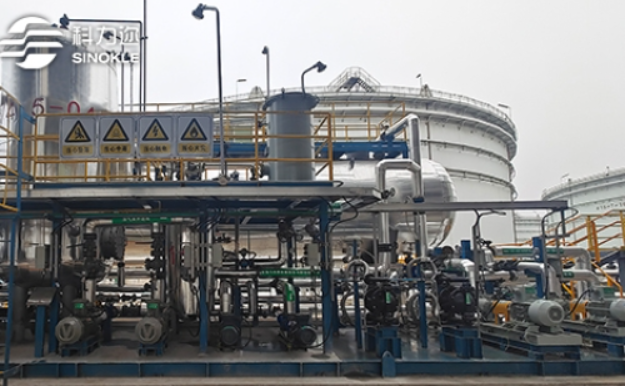
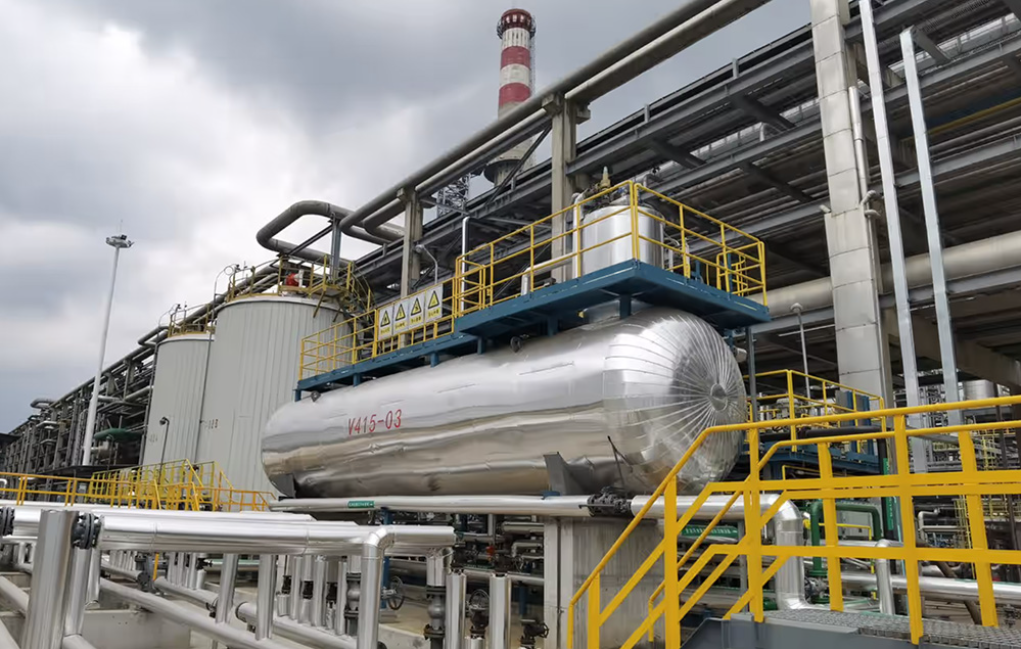
Crude Oil Tank Farm Dewatering Treatment: Physical Method For Efficient Oil Removal
2025-11-17This innovative physical dewatering process eliminates chemical usage while achieving over 95% oil removal efficiency, transforming tank farm operations through enhanced safety, environmental protection and economic benefits.
-
-
Application of Coalescing Oil-Water Separators in Refinery Circulating Water Treatment
2025-11-14The coalescing oil-water separator is an advanced separation equipment that efficiently removes oil droplets (≥20µm) from refinery circulating water through coalescence technology, featuring a compact design, stable operation, and strong anti-clogging per
-

-
A New Breakthrough in Purely Physical Demulsification Treatment of Coking Acidic Water
2025-11-13Sinokle’s innovative, purely physical process treats challenging coking acidic water without chemicals, eliminates secondary pollution, and allows for high-quality oil recovery.
-
-
Advanced Oxidation Processes: Unlocking Efficient Industrial Wastewater Treatment
2025-11-13This overview explores how AOPs transform complex aromatic contaminants into harmless CO2 and water, with a specific focus on the potential and limitations of ozone as a key oxidation technology.
-
-
Induced and Dissolved Gas Flotation: A Review of Principles and Applications for Produced Water Treatment
2025-11-12This article reviews induced and dissolved gas flotation, two key separation methods for reducing oil concentrations in produced water to meet environmental and operational standards.
-
-
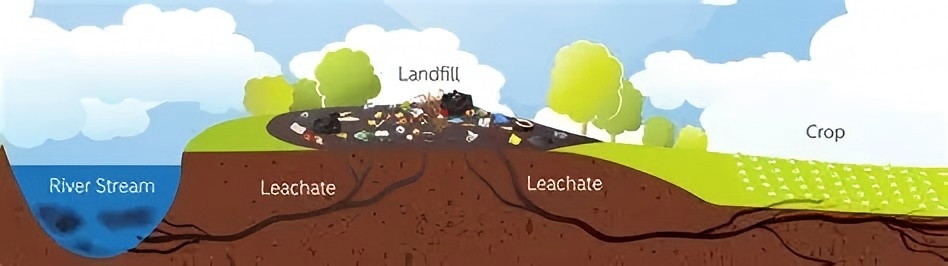
Common Physical Treatment Processes for Landfill Leachate
2025-10-29Physical methods, including air stripping, adsorption, and membrane separation, are direct and effective techniques for removing harmful substances such as ammonia nitrogen, organic compounds, and heavy metals from leachate.