-

-
10 Common Treatment Processes for Oily Wastewater
2025-12-161. What is Oily Wastewater? Oily wastewater refers to water containing fats (fatty acids, soaps, fats, waxes, etc.) and various oils (mineral oils, animal and plant oils). Its characteristics inc
-
-
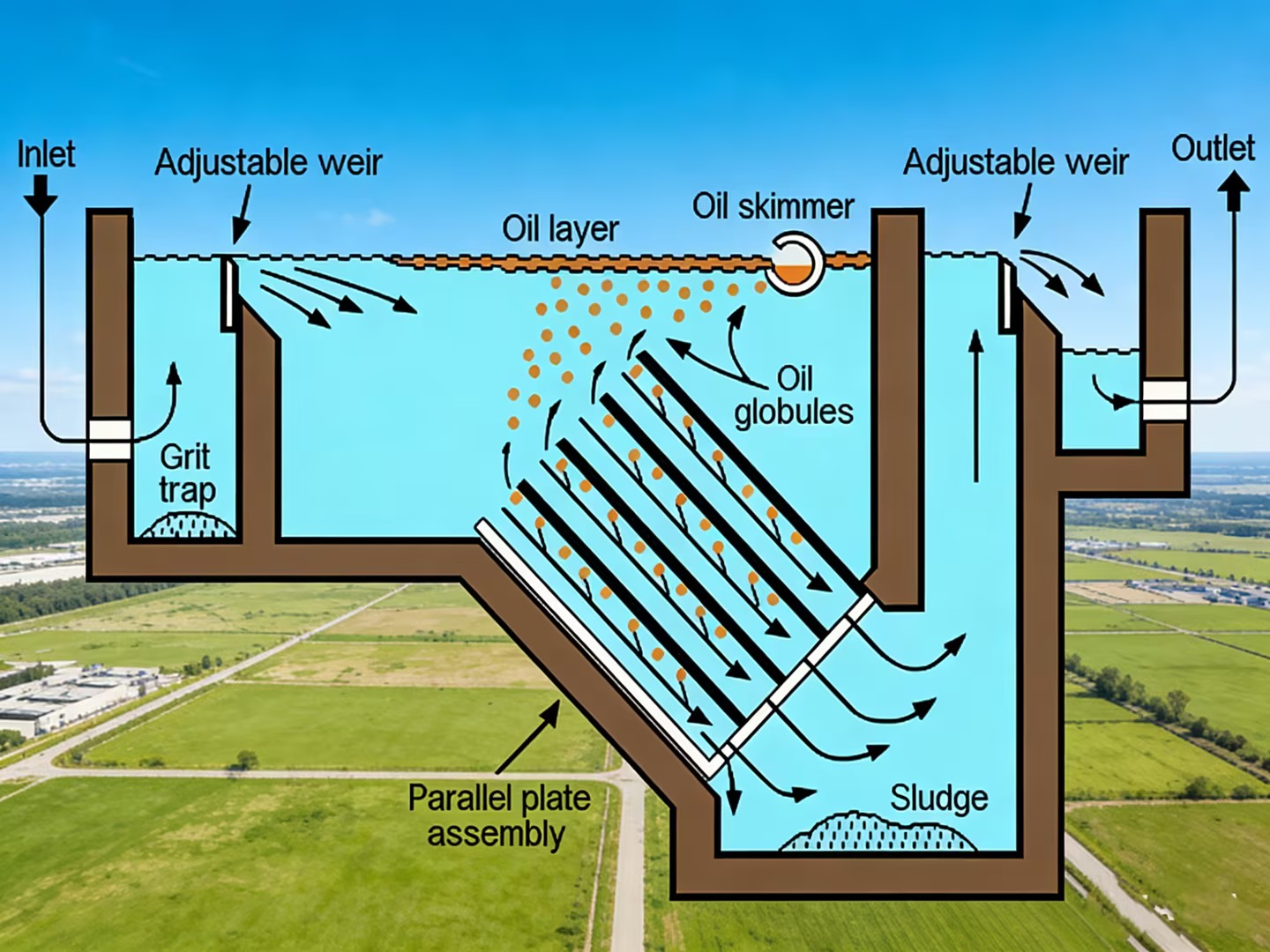
What Are The Oil-Water Separation Technologies for Oily Wastewater?
2025-12-16For oil-water separation, commonly used technologies include: 1. Dissolved Air Flotation (DAF) Dissolved air flotation relies on the formation of tiny air bubbles in water, which carry
-
-
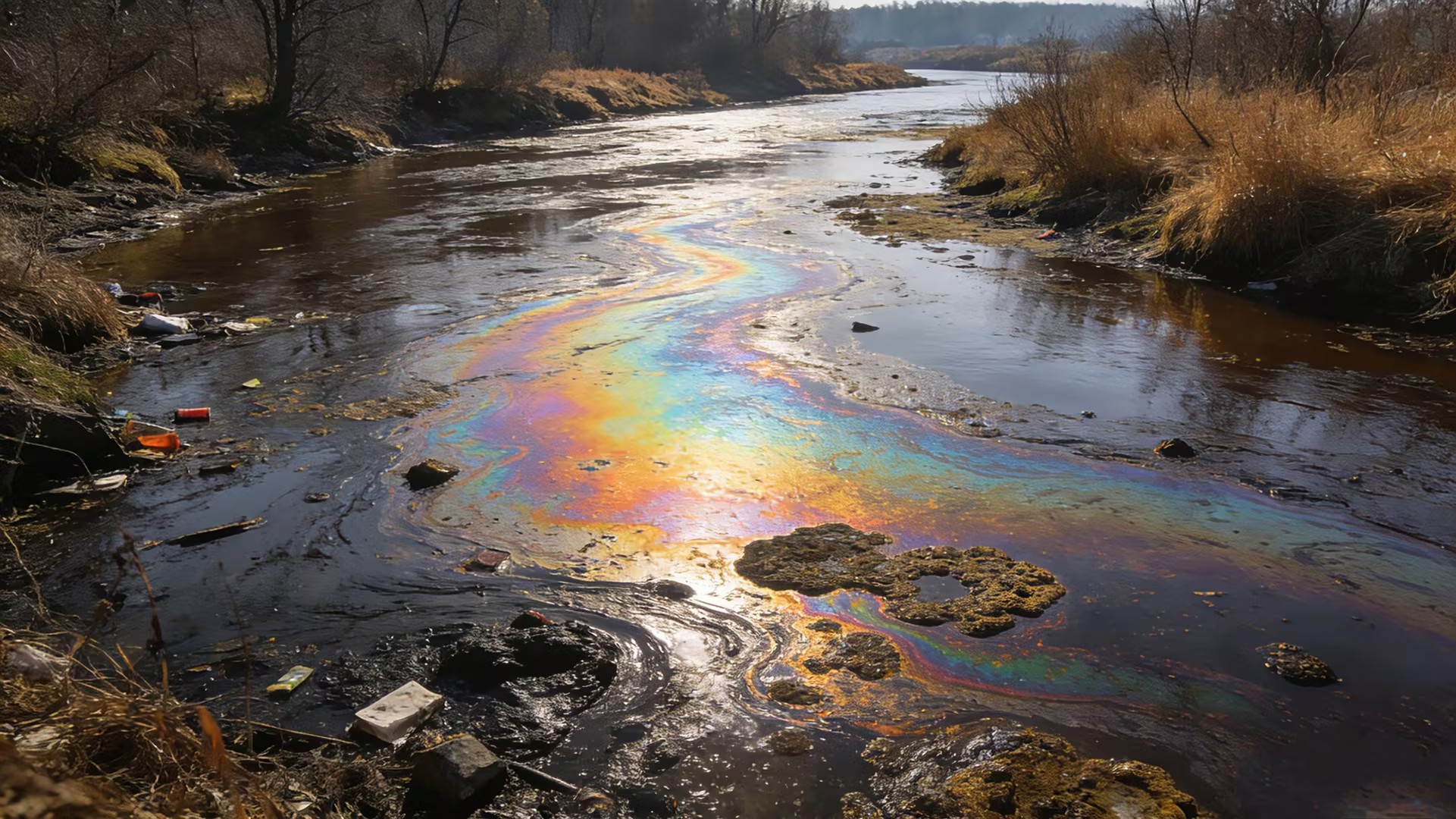
Environmental Hazards of Oily Wastewater
2025-12-16Petroleum is a crucial material for economic development and improving human living standards. It serves as a key energy source for industries like transportation, power, and machinery manufacturing,
-
-
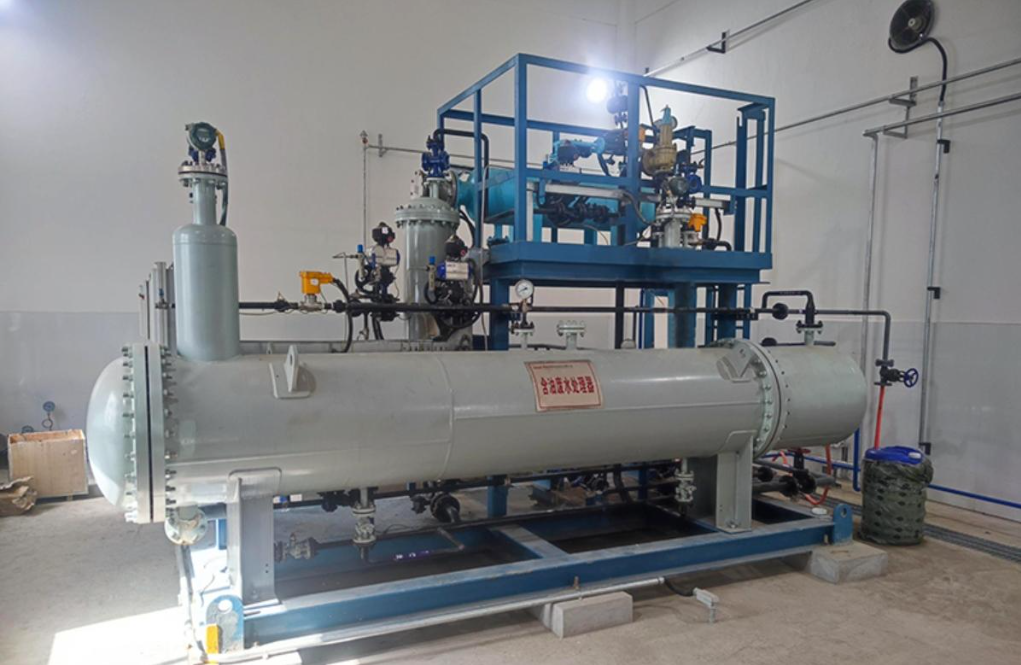
Treatment of Oily Wastewater in Oil Depot of Thermal Power Plants
2025-12-16Sinokle's innovative "prefilter + KHC coalescing separator" system overcomes the limitations of traditional methods, delivering >95% oil removal efficiency without chemicals and in a footprint just 1/5 the size of conventional systems.
-

-
New Advances in Electrostatic Desalting Wastewater Treatment
2025-12-151 Introduction The electrostatic desalting unit is one of the indispensable units in a refinery, and its operating performance has a significant impact on the long-term, safe, and stable operatio
-

-
Innovative Catalytic Ozonation: A Breakthrough in Wastewater Purification
2025-12-15Discover how advanced catalytic ozonation technology is revolutionizing wastewater treatment, offering a more efficient and environmentally friendly solution to tackle the growing issue of water pollution.
-

-
Understanding the Composition and Challenges of Fracturing Flowback Fluid
2025-12-12Fracturing flowback fluid is a complex mixture containing oil, polymers, chemicals, and formation water, posing significant challenges for treatment due to its high viscosity, emulsification, and variable quality.
-

-
Why is the treatment of landfill leachate so challenging?
2025-12-12Characteristics of landfill leachate: a. Complex composition; b. High content of organic pollutants and NH4+-N; c. High levels of heavy metals, dark in co
-

-
Green Revolution: Chemical-Free Oil Removal Technology
2025-12-11Sinokle's technology pioneers pure physical demulsification without chemicals, integrating centrifugal separation and microbubble technology. It achieves efficient oil-water separation with over 90% oil removal rate, eliminating secondary pollution and re
-

-
Working Principle of the Hydrocyclone Separator
2025-12-11The Hydrocyclone Separation technology is an efficient and energy-saving separation technique, with its key component being the Hydrocyclone Separator. The oil-containing wastewater is injected tangentially into the Hydrocyclone Separator at a certain pre