Relevant Recommendation
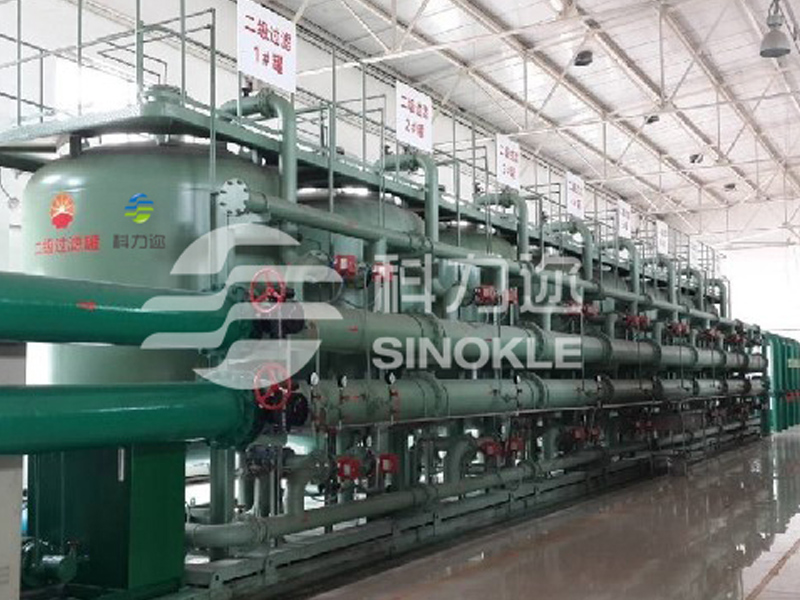
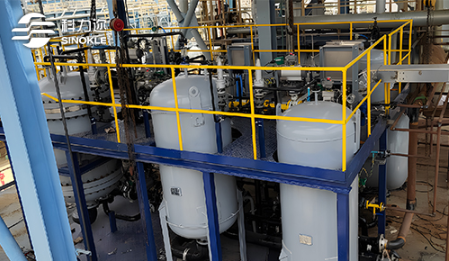
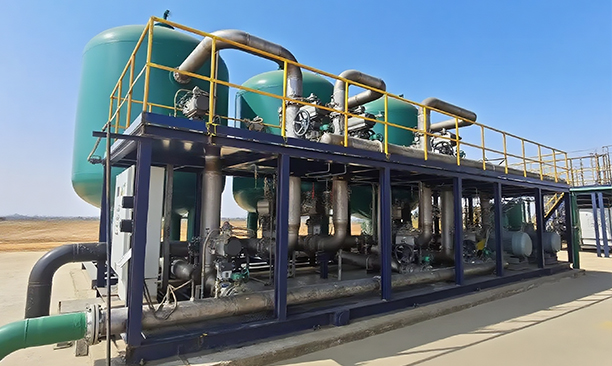
SFM™ Filter
Product Details
Technical Introduction
Technical Introduction

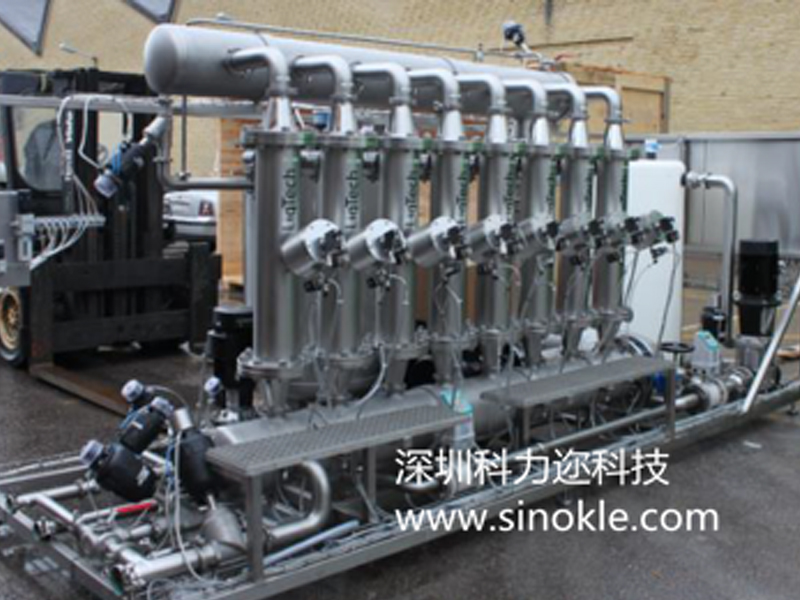
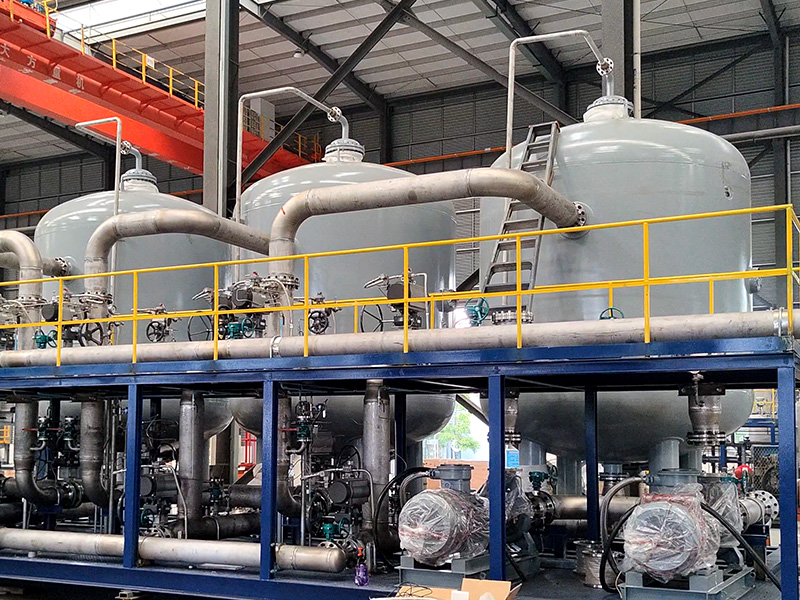
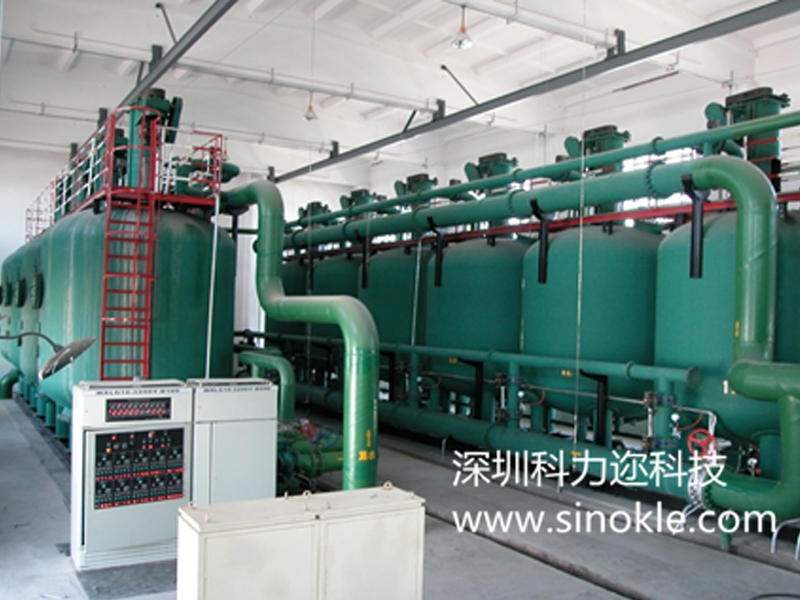
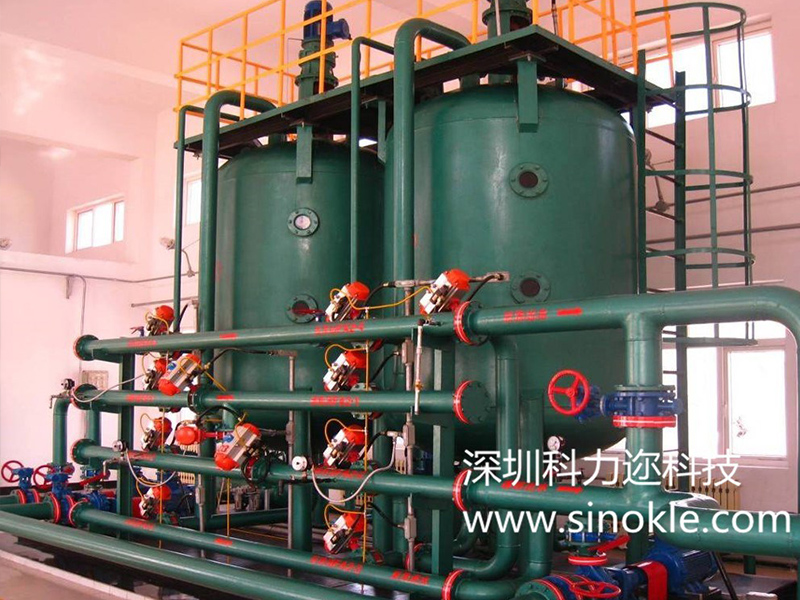
SFM™ Filter is developed by SINOKLE. Using its self-developed new SFM™ Surface-Modified Filtration Media. Based on the specific characteristics of the oily wastewater and treatment requirements, the filter bed and filter structure are designed on a one-to-one basis, optimizing the internal water distribution, water collection structure, and backwash process. Key flow-through components are made of all-titanium materials. Through backwash tests on wastewater with different crude oil densities and resistance characteristics, a reasonable and economical backwash intensity is determined, shortening backwash time and reducing backwash water consumption, thereby improving wastewater treatment efficiency, reducing energy consumption, and saving costs.
SINOKLE's SFM™ Surface-Modified Filtration Media is produced using a special process that covalently introduces high-density hydrophilic groups (e.g., –OH, –COOH, –SO₃H, etc.) onto the surface. Water molecules form a dense hydration layer with a thickness of δ≥8 nm through strong hydrogen bonding, reducing the static contact angle to θ<5° and achieving a fully spreading state. The fouling process shifts from "irreversible adhesion" to "reversible deposition," lowering the critical shear stress required for detachment. Regular water backwashing can achieve >95% desorption, extending the backwash cycle by 3–5 times and significantly reducing energy and water consumption.
SFM™ Surface-Modified Filtration Media features active groups and micro-nano structures on its surface that interact with emulsified droplets, disrupting the adsorption equilibrium on the oil droplet surface and reducing droplet stability. As the emulsion passes through the media layer, oil droplets coalesce, collide, and aggregate at the micro-nano structures and active sites on the media surface.
SFM™ The surface-modified media exhibits extremely strong hydrophilicity: water spreads rapidly over its surface and passes smoothly through the media pores, forming a stable hydrophilic coating film. When oily wastewater flows through the media layer, the water phase, driven by the superhydrophilic surface, preferentially passes through the media, while hydrophobic emulsified oil droplets are intercepted and adsorbed on the media surface, continuously accumulating. Under hydraulic force, they collide and coalesce, gradually forming larger oil droplets that rise to the surface, ultimately achieving separation from the oil phase.
Product Parameters
Product Parameters
| Parameter Item | Technical Specification |
|---|---|
| Single-Unit Treatment Capacity (Q) | ~100 m³/h |
| Medium Temperature | ≤135 ℃ |
| System Pressure Drop | 0.05~0.1 MPa |
| Backwash Cycle | 24~48 h |
| Inlet Oil Content | ≤50 ppm |
| Inlet SS | ≤50 mg/L |
| Outlet Oil Content (Level II) | ≤5 ppm |
| Outlet SS (Level II) | ≤5 mg/L |
| Outlet Median Particle Size (Level II) | ≤1.0 μm |
| Media Service Life | 5 years |
Technological Advantages
Technological Advantages
Filtration rates of 8–12 m/h are permitted, higher than anthracite and emery media. At the same treatment capacity, the vessel is smaller in size, reducing infrastructure footprint and investment.
Technical Comparison
Technical Comparison
| Comparison Item | Conventional Quartz Sand Filter | SFM™ Filter |
|---|---|---|
| Media Material | Quartz sand/anthracite | SFM™ Surface-Modified Filtration Media |
| Filtration Precision | ≥5 μm | >90% removal of 0.45 μm contaminants |
| Treatment Precision | Oil content <10 mg/L Suspended solids <5 mg/L Median particle size <3 μm | Oil content <5 mg/L Suspended solids <5 mg/L Median particle size <1 μm |
| Media Service Life | 3 years | 5 years |
| Media Hardness | None | Self-sterilization via surface free radicals |
| Caking Tendency | Prone to caking | Anti-caking, easy to clean |
| Filtration Stages | Requires two or three stages of filtration | Single-stage filtration achieves Level II water quality |
| Backwash Efficiency | Long backwash time with average results | 100% backwash efficiency in 5 minutes |
| Footprint | Large | Reduced by 20%–30% |
| Operating Energy Consumption | Relatively high | Water and electricity consumption reduced by over 50% |
Application Cases
Application Cases
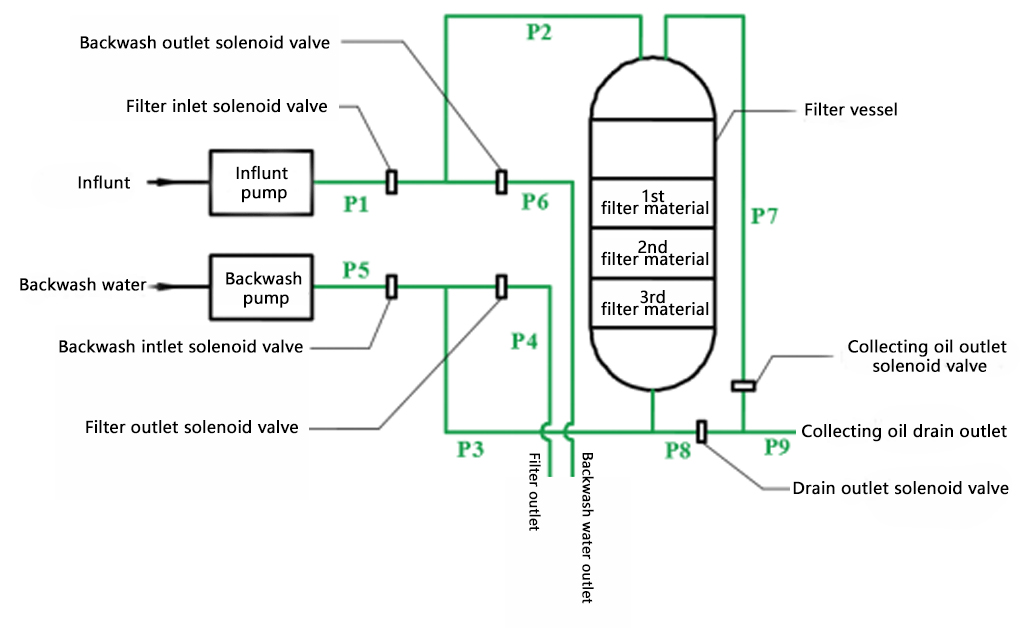
Oilfield Produced Water Fine Filtration Project
The SFM™ Filter is applied to oilfield produced water treatment. Single-stage filtration achieves Level II water quality indicators, with effluent oil content ≤6 ppm, suspended solids ≤2 mg/L, and median particle size ≤1.5 μm.
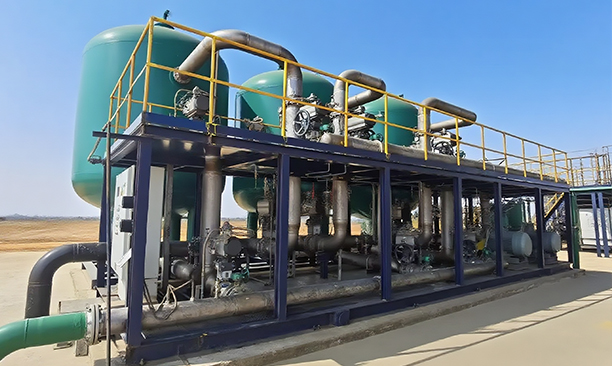
Offshore Platform Produced Water Treatment System
The SFM skid-mounted filter features a skid-mounted design with a small footprint, suitable for space-constrained offshore platform scenarios. PLC intelligent control enables fully automatic operation with easy maintenance.