-
-
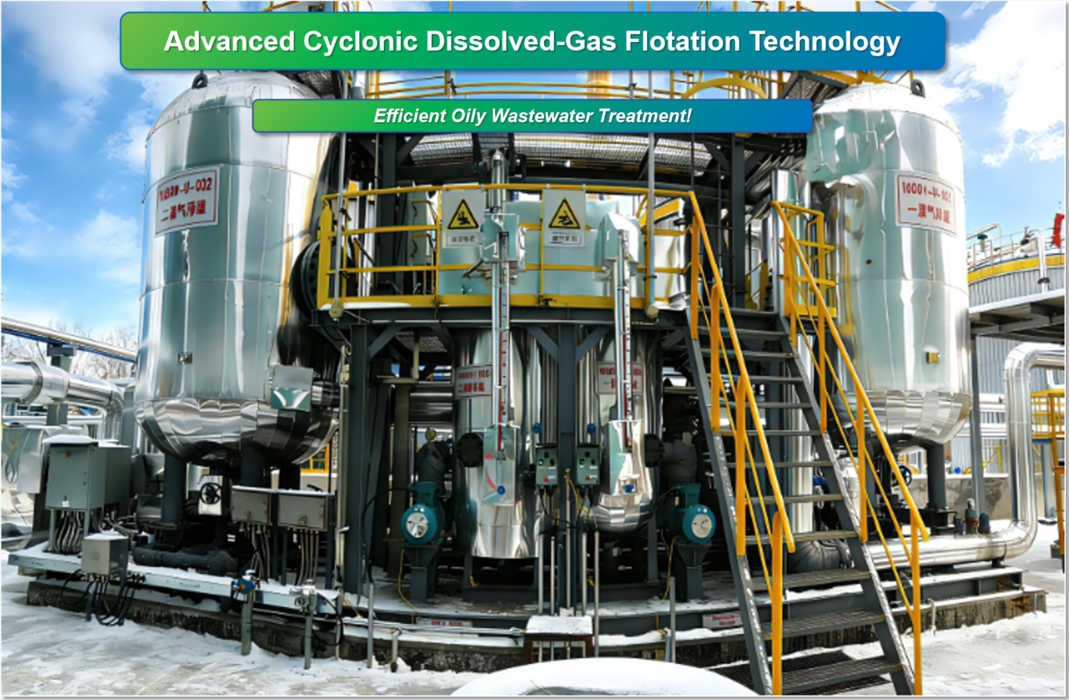
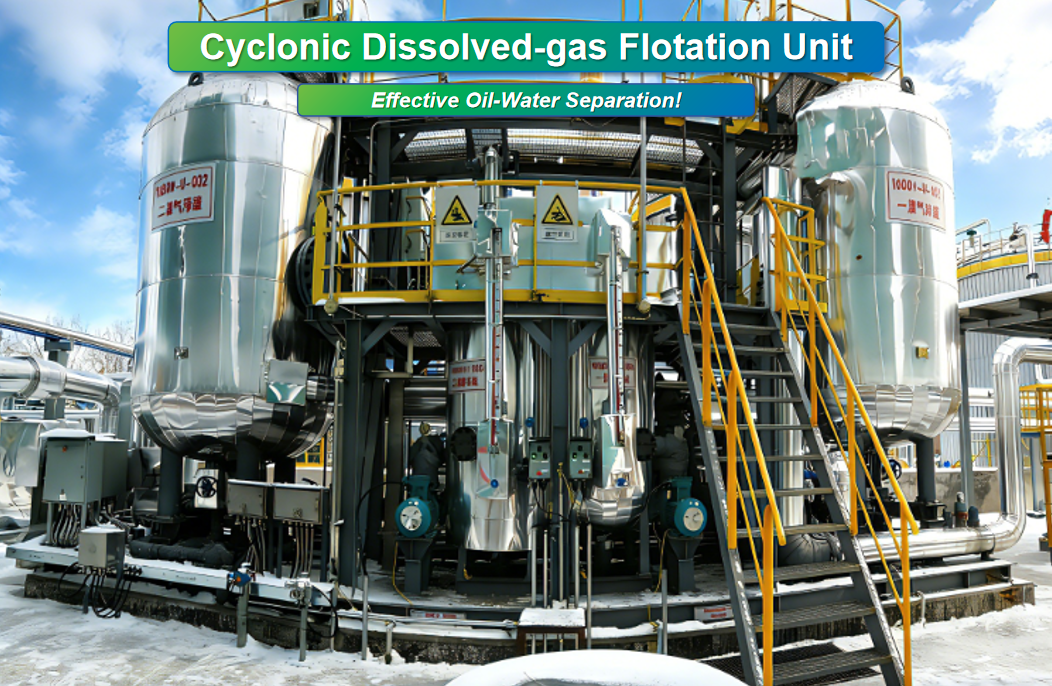
SINOKLE’s CDFU: Advanced Cyclonic Dissolved-Gas Flotation Technology for Efficient Oily Wastewater Treatment
2026-05-08Flotation technology, especially Dissolved Air Flotation (DAF), is a key industrial water treatment method for separating oil, suspended solids, and emulsified contaminants. Shenzhen Clear Science & Technology Co., Ltd (SINOKLE) has developed the Cyclonic
-
-
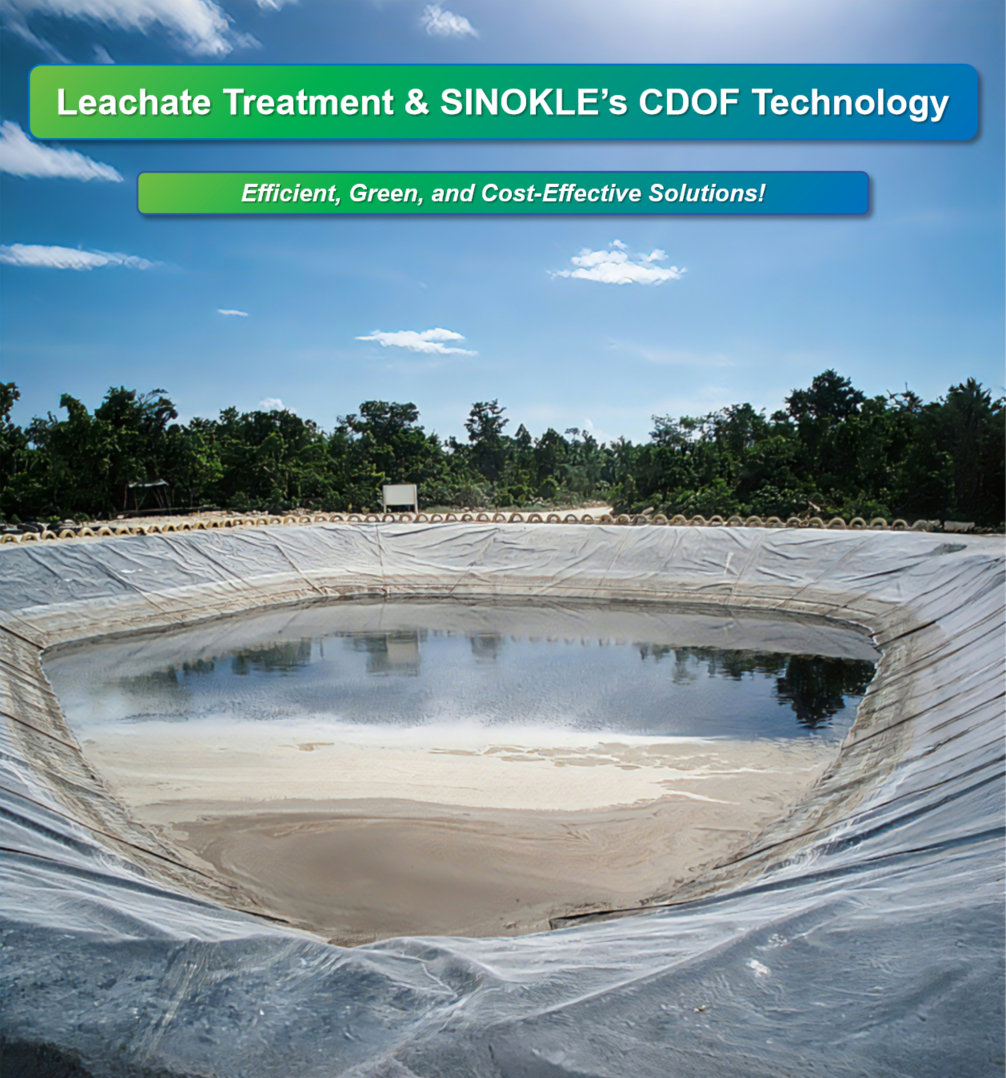
Leachate Treatment: SINOKLE’s CDOF Technology for Efficient, Green, and Cost-Effective Solutions
2026-05-06Leachate from landfills and incineration is a highly concentrated, toxic, and complex wastewater, posing severe environmental challenges. Traditional methods often face inefficiency, high costs, and secondary pollution risks. Shenzhen Clear Science & Tech
-
-
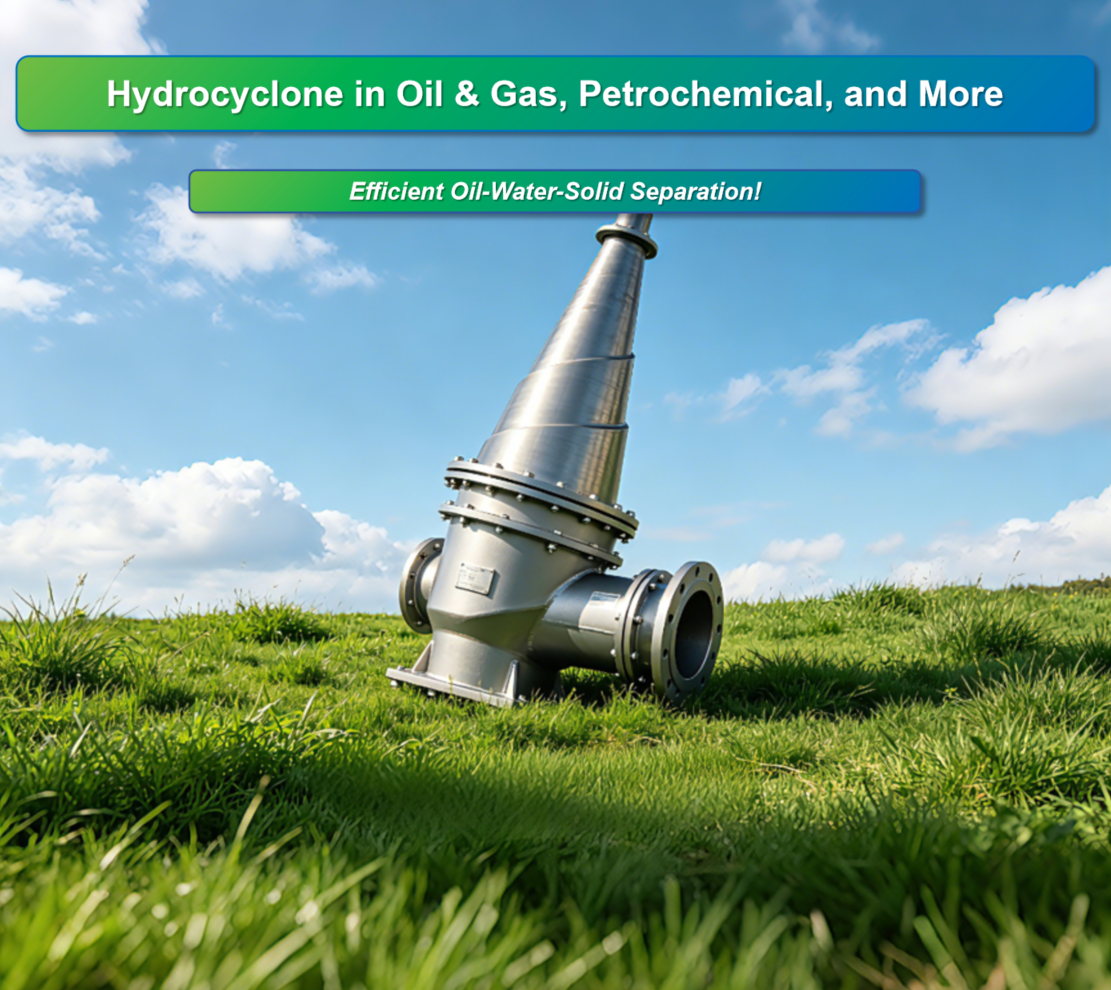
Hydrocyclone in Oil & Gas, Petrochemical, and Other Industries for Efficient Oil-Water-Solid Separation
2026-04-29Hydrocyclones are essential equipment in the extraction liquid treatment process in industries like petrochemicals and oilfields, known for their energy-saving, non-powered drive, and highly efficient oil-water-solid separation. SINOKLE has advanced the h
-
-
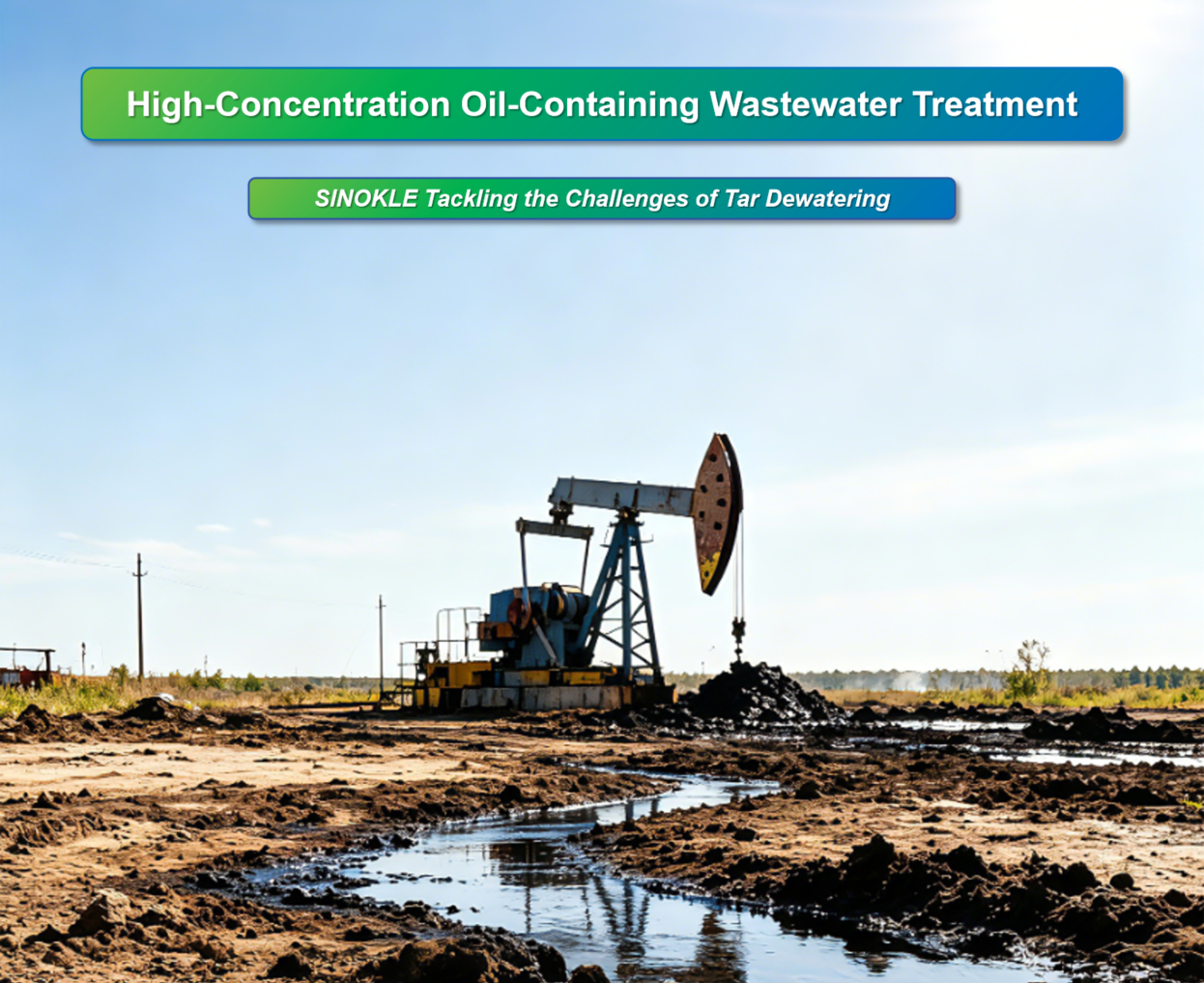
High-Concentration Oil-Containing Wastewater Treatment in Petrochemical, Coal Chemical, and Coking Industries: Tackling the Challenges of Tar Dewateri
2026-04-27Tar wastewater treatment, especially in industries like petrochemicals and coal chemicals, faces significant challenges due to its stable emulsion, complex composition, and high shock resistance. Traditional methods such as gravity settling, air flotation
-

-
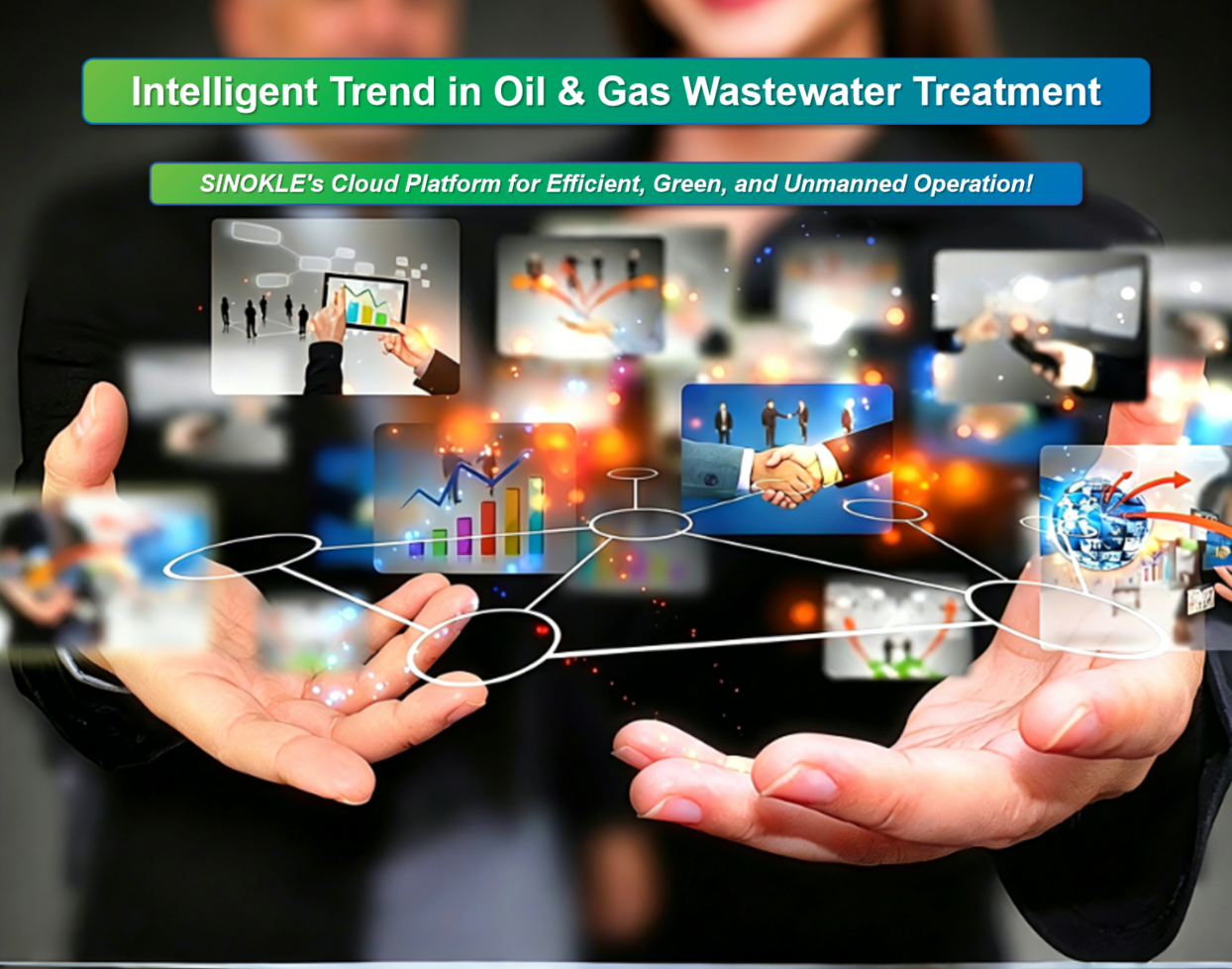
Smart, Green, Efficient, and Safe: SINOKLE's Cloud Monitoring Platform Revolutionizes Oilfield Wastewater Treatment
2026-04-24As global energy transitions towards net-zero goals, oilfield development is evolving with a focus on efficient extraction, low-carbon operations, and intelligent management. Oilfield wastewater treatment plays a critical role in maintaining resource recy
-
-
Intelligent Upgrades in Oilfield Wastewater Treatment: SINOKLE's Cloud Monitoring Platform for Efficient, Green, and Unmanned Operation
2026-04-22As the global oil industry progresses, oilfield development is shifting towards enhanced extraction methods, environmental protection, and efficient operations. Wastewater treatment has become a critical challenge, particularly in older oilfields and offs
-

-
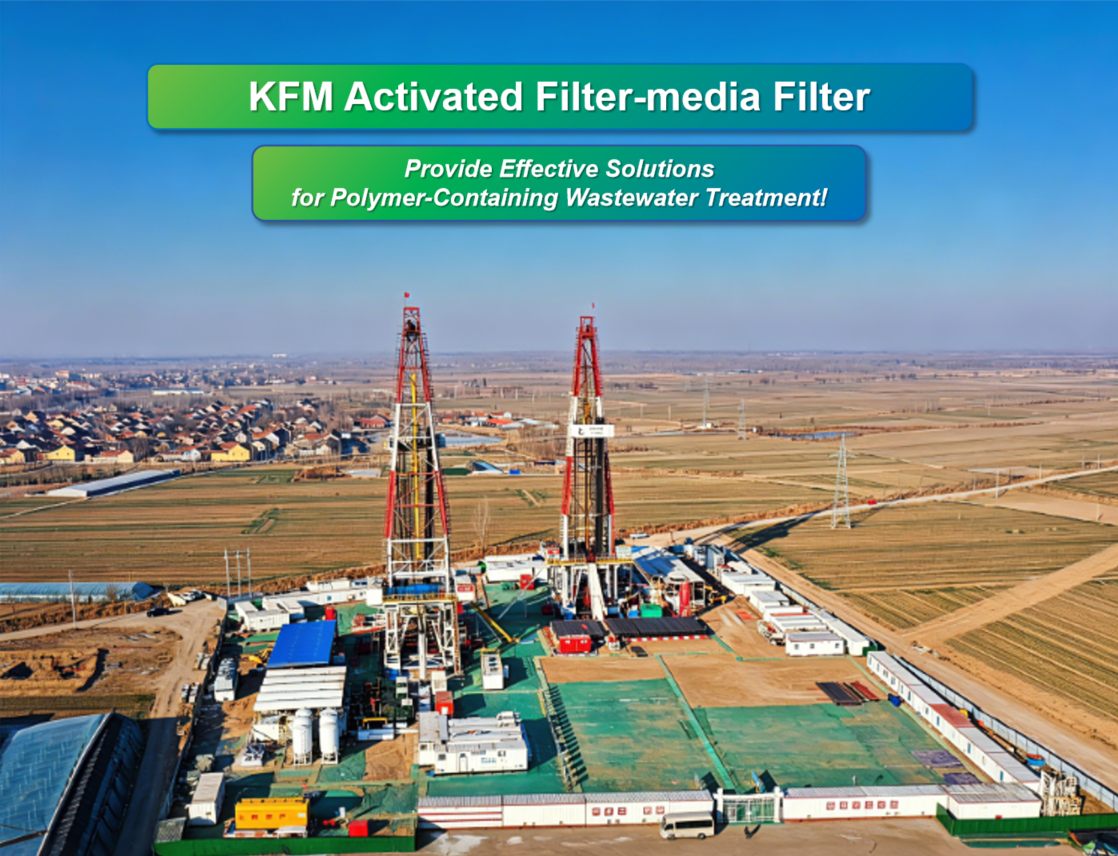
Comprehensive Solution for Produced Water Treatment in Conventional Oilfield Blocks: SINOKLE's CDFU + KFM Technology
2026-04-15Produced water treatment in conventional oilfields is a crucial challenge to enhance oil recovery while ensuring environmental protection. This wastewater, often containing emulsified oil, suspended solids, and microorganisms, can lead to clogging, corros
-
-
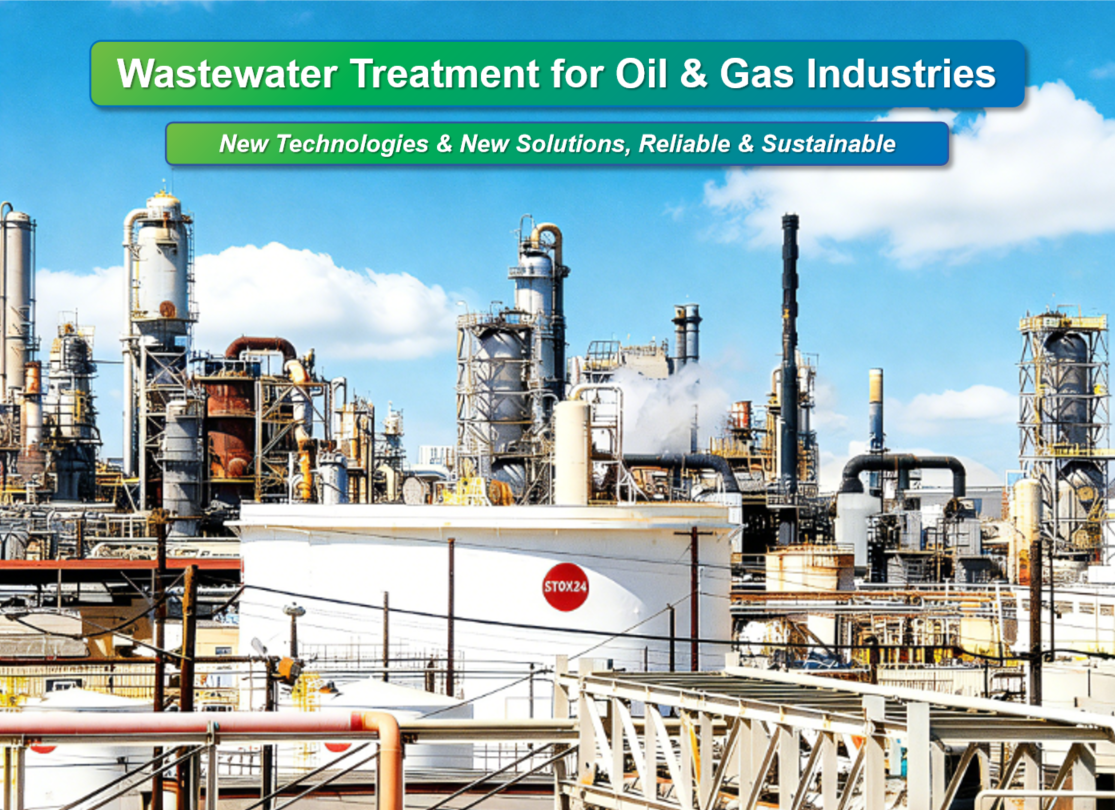
Efficient Treatment of Polymer-Containing Wastewater in Oilfields: SINOKLE's Innovative Solution
2026-04-13Enhanced Oil Recovery (EOR) has significantly contributed to global energy security, but it also generates polymer-containing wastewater that presents serious environmental challenges. This wastewater, which results from the application of polymer floodin
-
-
Advanced Solutions for Oil Refining Wastewater Treatment: SINOKLE's Innovative CDFU and CDOF Technologies
2026-04-09As China’s oil refining and petrochemical industry rapidly develops, wastewater treatment has become a major bottleneck in the sector’s green development. In 2026, stricter wastewater discharge standards will further challenge traditional treatment method
-
-
Innovative Application of Dissolved Air Flotation Technology in Industrial Wastewater Treatment: SINOKLE's CDFU System
2026-04-07Industrial wastewater treatment is increasingly challenging due to the complexity of pollutants like oil, suspended solids, and organic compounds. Traditional methods often struggle with low efficiency, incomplete pollutant removal, and long treatment cyc