-
-
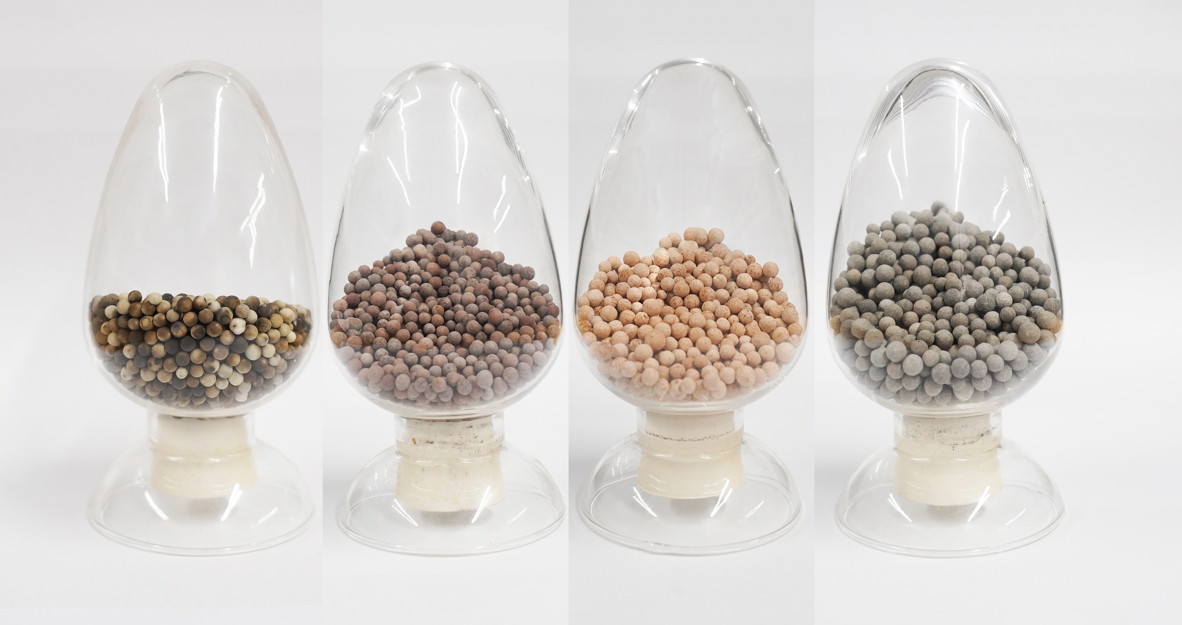
Synergistic Homogeneous and Heterogeneous Catalytic Oxidation Technology for Efficient Industrial Wastewater Treatment
2026-02-27In the context of rapid industrial development, the composition of industrial wastewater has become increasingly complex. Issues such as difficult-to-degrade organic compounds, high salinity, and high
-
-
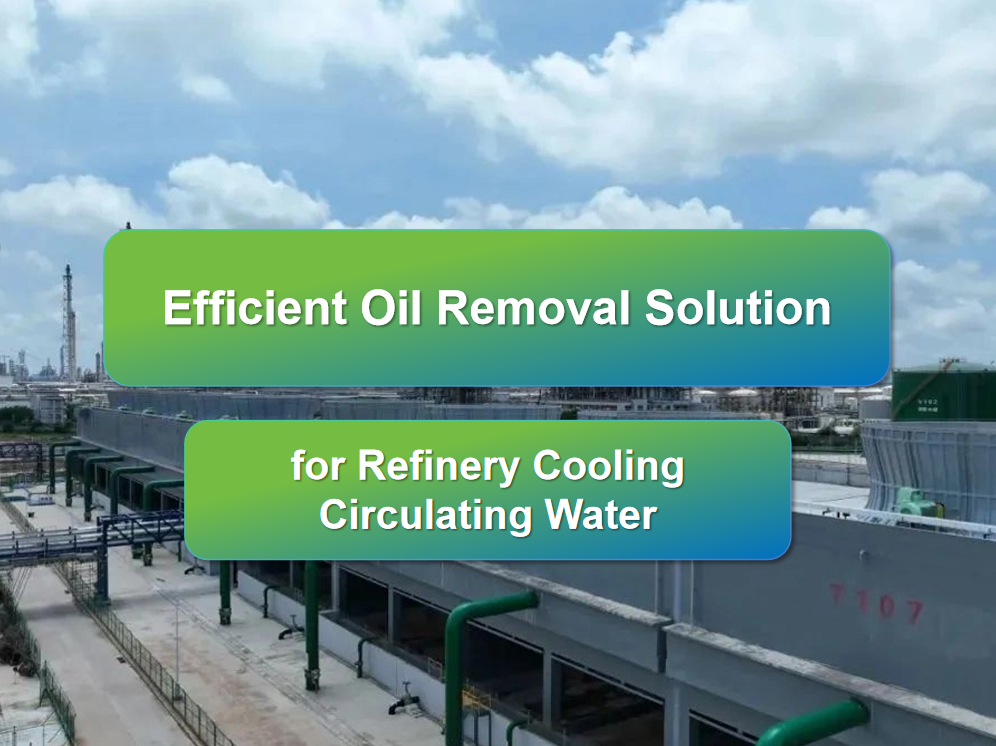
High-Efficiency Oil Removal Solution for Refinery Cooling Circulating Water
2026-02-26The refinery cooling circulating water system is a critical component in ensuring the stable operation of production units, with its water quality directly impacting heat exchange efficiency, equipmen
-
-
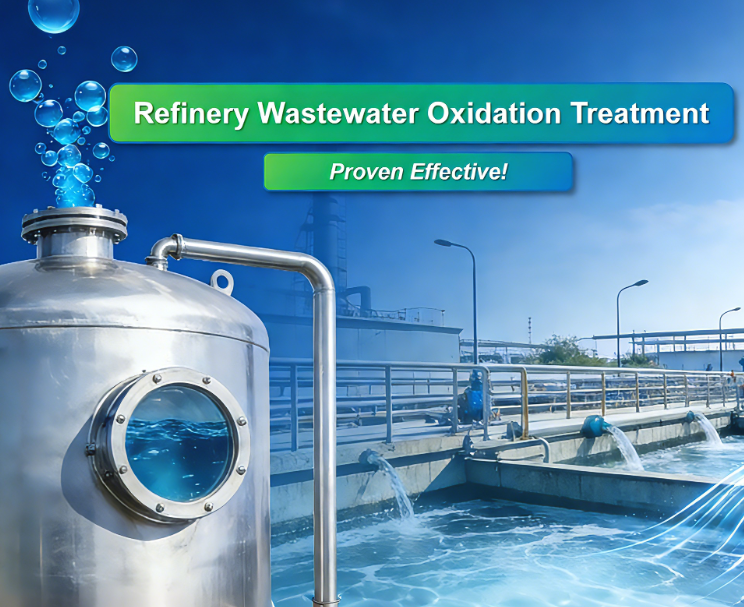
Ozone Advanced Oxidation Pretreatment Technology for Desalting Wastewater: An Innovative Solution to Industrial Challenges
2026-02-12In the petroleum refining industry, electro-dehydration wastewater, due to its complex composition, severe emulsification, and poor biodegradability, has often been regarded as the “number one problem
-
-
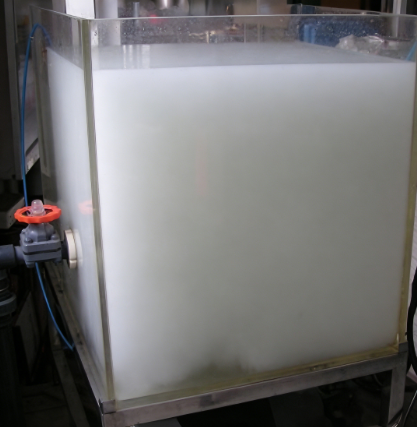
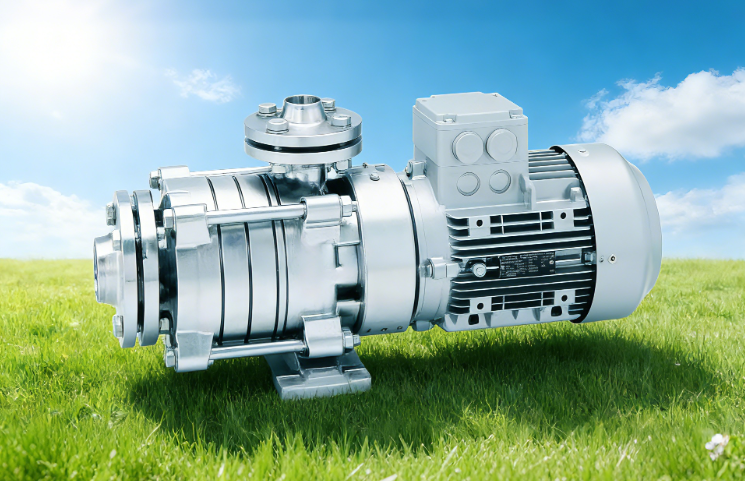
SINOKLE’s EDUR High-Efficiency Dissolved Gas System: A Comprehensive Solution for Optimizing Oily Wastewater Treatment and Reducing Operational Costs
2026-02-09The Shenzhen Clear Science & Technology Co., Ltd (SINOKLE)’s EDUR High-Efficiency Dissolved Gas System is not just a single piece of equipment, but a cost optimization and efficiency enh
-
-
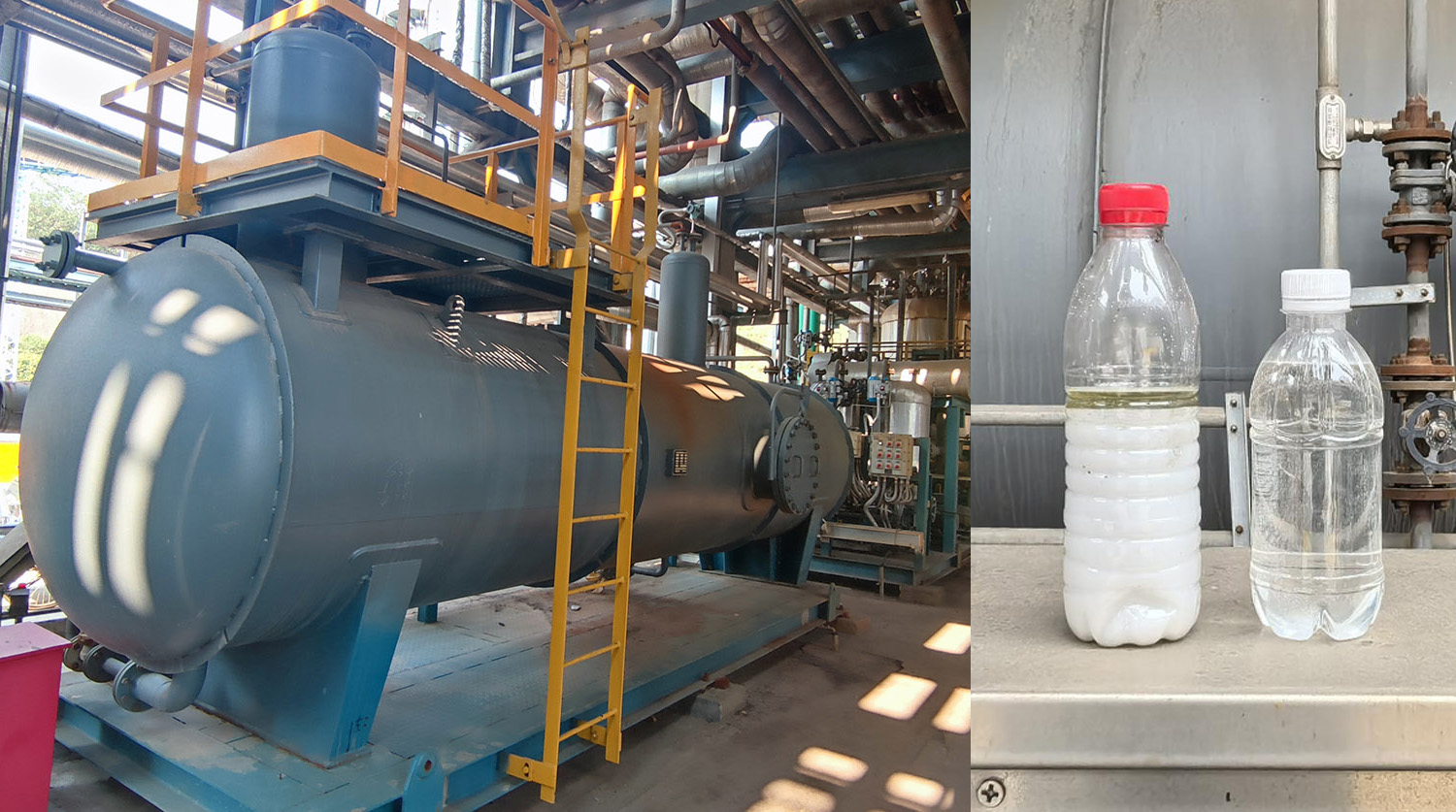
EDUR High-Efficiency Dissolved Gas System: Revolutionizing Water Treatment with Advanced Micro-Bubble Technology
2026-02-09In oil-containing wastewater treatment, sludge flotation, and catalytic oxidation of difficult-to-degrade organic compounds, the performance of the dissolved gas system directly determines the subsequ
-
-
New Technology for Coking Acidic Wastewater Treatment: Innovation and Environmental Benefits
2026-02-05In the coking industry, the treatment of acidic wastewater has always been a difficult issue. These wastewater are not only complex in composition but also have numerous adverse effects on the environ
-

-
Challenges in Coking Acidic Wastewater Treatment and Their Environmental and Operational Impacts
2026-02-05Coking acidic wastewater treatment presents numerous challenges. Firstly, it contains high levels of coke powder with a small particle size distribution, along with a high oil content. The oil dr
-

-
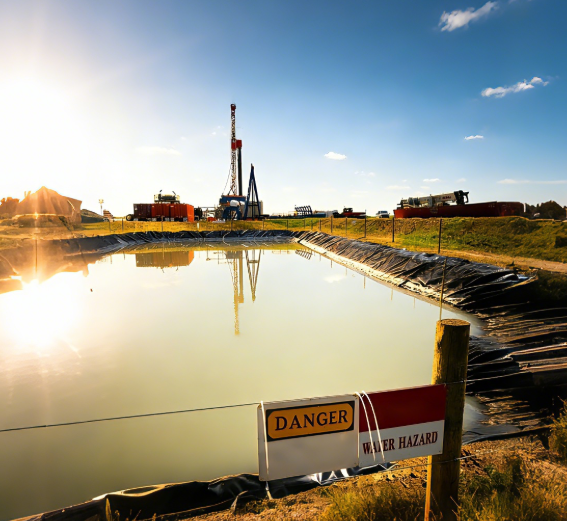
Advanced Treatment Technologies for Shale Oil Produced Water: Innovations in Oil-Water Separation and Environmental Efficiency
2026-02-04The oil-contaminated wastewater in shale oil production mainly originates from processes such as dry distillation, washing, cooling circulation, and tank dehydration. Its characteristics include high
-
-
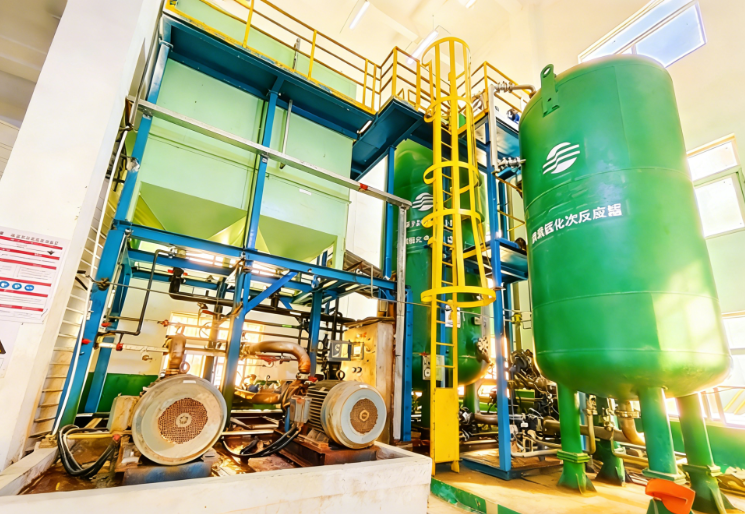
Shale Oil Production Wastewater: Sources, Characteristics, and Treatment Challenges
2026-02-04Source of Oil-contaminated Wastewater in Shale Oil Production The oil-contaminated wastewater in shale oil production primarily comes from the following stages: · Distillation Unit
-
-
New Treatment Process for Coal Chemical RO Concentrate Using CDOF Cyclonic Dissolved Ozone Flotation
2026-02-03The treatment of coal chemical RO concentrate has become a major challenge in the coal chemical industry due to its high salinity, organic content, and complexity. The concentrate, generated during co