-

-
Why No Single Unit Fits Every Oily Stream: Route Selection with CDFU, CDOF, KFM and KHC
2026-09-18Industrial streams differ too much for one standard treatment train. This guide walks through six real water types - high-oil refinery effluent, high-oil acidic water, oil-depot shock loads, composite oilfield water, landfill leachate and terminal polishi
-
-
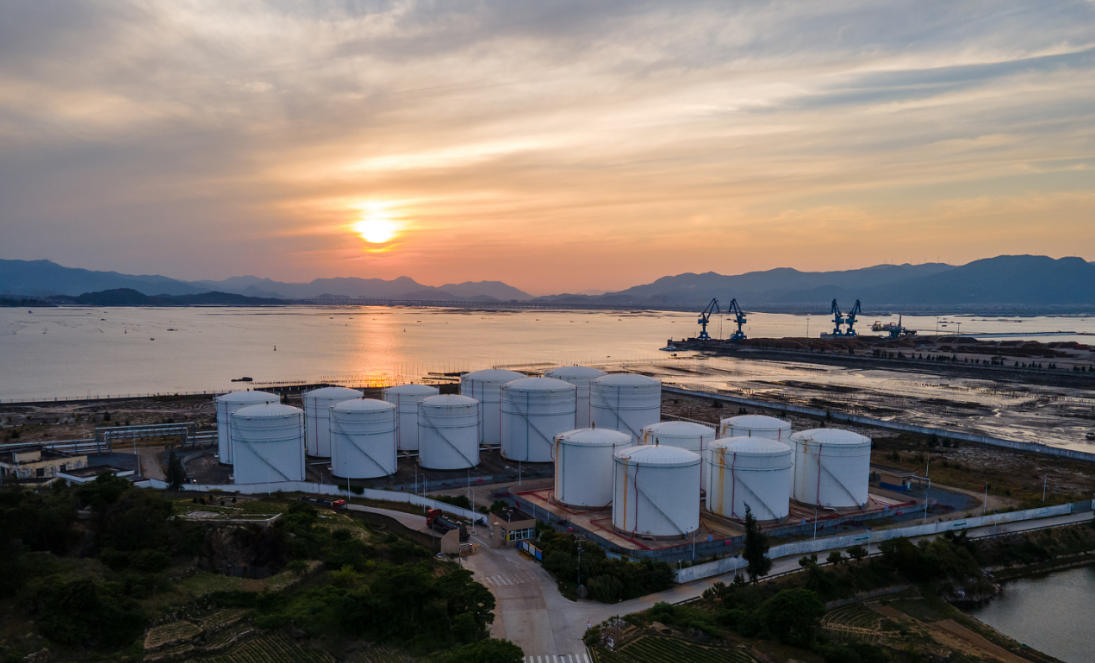
SINOKLE Wins Bid for Oily‑Wastewater Treatment Project of Oil‑Tank Farm at Dar Port, Tanzania
2026-09-18SINOKLE has recently secured the bid for the oily‑wastewater treatment project of the oil‑tank farm at Dar es Salaam Port, Tanzania, undertaken by China Railway Major Bridge Engineering Group. T
-
-
Pesticide Wastewater: Matching Five Very Different Streams to the Processes That Can Handle Them
2026-09-17Pesticide wastewater spans benzene, organophosphorus, phenolic and mercuric streams. This compares biological, micro-electrolysis, photocatalytic, ultrasonic and ozonation routes against the concentrations each can actually treat.
-
-
Membrane Bioreactor Configurations Compared: From EMBR to Submerged Hollow Fibre, What Changes
2026-09-17A walk through MBR variants: aerated, extractive, split and submerged configurations, plate versus hollow fibre modules, real plant capacities, and the energy and fouling costs behind the effluent quality.
-
-
Coal Gasification Wastewater Under ZLD: Placing Catalytic Ozonation Where It Actually Pays
2026-09-17Coal gasification wastewater breaks conventional advanced oxidation. This explains where SINOKLE's CDOF catalytic ozonation and swirl air flotation unit fits in a zero-liquid-discharge train, and why ozone solubility matters.
-
-
Electrodialysis and EDR: Where Ion-Exchange Membranes Still Beat Reverse Osmosis on Cost
2026-09-17Electrodialysis moves ions through selective membranes under a DC field. This covers membrane selectivity, EDR operation, typical voltage and energy figures, and where the process still makes economic sense.
-
-
CASS Process Design: One Basin, Cycled Phases, and No Secondary Clarifier to Operate
2026-09-17The CASS process runs aeration, sedimentation and decanting in one tank. Here is how the biological selector zone, cycle timing and aeration hardware choices shape effluent quality and land use.
-
-
Refinery Sour Water: Cutting Stripper Fouling by Removing Emulsified Oil and Coke Fines Physically
2026-09-17Emulsified oil plus coke fines foul refinery strippers. This explains how SINOKLE pairs CDFU swirl dissolved-air flotation with the KHC high-precision coalescing separator to replace chemical demulsification.
-
-
Heavy-Fuel Power Plant Oily Wastewater: Inside a Two-Stage CDFU and KFM Treatment Configuration
2026-09-17Heavy-fuel power plant oily wastewater resists gravity separation. This explains how SINOKLE pairs two-stage CDFU cyclone air flotation with KFM deep filtration to cut footprint, chemical use and O&M load.
-
-
Light Oil Versus Heavy Oil Wastewater: Why a Single Pretreatment Design Cannot Serve Both Streams
2026-09-17Light and heavy oil wastewater differ in density, viscosity, volatility and emulsification behaviour. Here is how those differences reshape oil-water separation pretreatment, chemical demand and O&M burden.