The Underrated Journey of Wastewater: From Sewer to Reuse
Every day, a large amount of wastewater is generated when we wash our faces, rinse rice and vegetables in the kitchen, and start the washing machine. If these seemingly "useless" sewage are directly discharged into rivers, lakes, or soil, they will pose a serious threat to the ecological environment and human health. Wastewater treatment technology, as a sophisticated purification system, can make the sewage clean and reusable again. Today, we will explore the basics of wastewater treatment.
I. First, Understand: Where Does the Wastewater Around Us Come From?
The sources of wastewater are more extensive than we imagine. According to different production scenarios, they can be mainly divided into two categories:
The first category is domestic sewage, which is the wastewater generated in our daily lives. Examples include wastewater from washing, vegetable washing water in the kitchen, and drainage from toilets. This type of wastewater contains a large amount of organic matter, such as food residues, oils, proteins, as well as nutrients like nitrogen and phosphorus, and residues from detergents and cosmetics we use. Although the toxicity of domestic sewage is relatively low, large-scale discharge can lead to eutrophication of water bodies, causing algae to grow wildly, consuming oxygen in the water, resulting in the death of aquatic organisms such as fish and shrimp, and forming "stinking lakes" and "dead rivers."
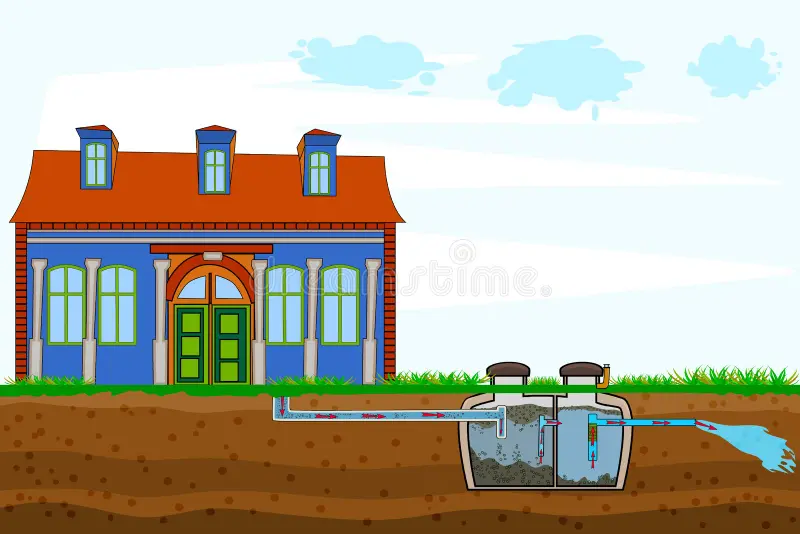
The second category is industrial wastewater, which comes from the production processes of factories. The composition of industrial wastewater varies greatly among different industries. For example, wastewater from paper mills contains a large amount of fibers and chemical agents, wastewater from electroplating plants contains heavy metals (such as chromium, nickel, and copper), and wastewater from chemical plants may contain toxic and harmful organic substances. Industrial wastewater is more harmful. The heavy metals and toxic substances in it will accumulate in water bodies and soil, enter the human body through the food chain, damage organs such as the liver and kidneys, and even induce cancer.
In addition, there is agricultural wastewater, such as wastewater formed by pesticide residues and fertilizer runoff in farmland. This type of wastewater also pollutes water bodies and soil, affecting crop growth and food safety.
II. Why Is Wastewater Treatment Necessary? The Hazards of Pollution Are Beyond Imagination
Some people may think, "A little sewage won't matter if discharged." In fact, the hazards of wastewater pollution are concealed, long-term, and cumulative, and the damage to the ecosystem and human health is irreversible.
For the ecological environment, organic matter in wastewater decomposes in water, consuming a large amount of dissolved oxygen, leading to the death of aquatic organisms due to oxygen deficiency; nutrients such as nitrogen and phosphorus can trigger eutrophication of water bodies, turning lakes into inferior Class V water with frequent "algal blooms"; heavy metals deposit in water bodies, polluting sediment, affecting the reproduction and growth of aquatic organisms, and disrupting the entire aquatic ecological balance.
For human health, drinking contaminated water may lead to infections such as cholera and typhoid; long-term intake of water containing heavy metals can cause heavy metals to accumulate in the body, damaging the nervous system, hematopoietic system, and reproductive system; toxic organic substances in wastewater may also induce gene mutations and cancer. In addition, contaminated water affects agricultural irrigation, leading to reduced crop yields, poor quality, and even entering the human body through food, forming "secondary pollution."
III. The "Three-Stage Process" of Wastewater Treatment: Transformation from Turbidity to Clarity
Wastewater treatment is not simply "filtration," but a gradual systematic project. The industry usually divides it into three stages: "primary treatment, secondary treatment, and tertiary treatment." Each stage has different tasks to remove pollutants from water step by step.
Stage 1: Physical Treatment – "Coarse Screening" of Large Particles
Primary treatment is the first step of wastewater treatment. It mainly uses physical methods to remove visible large particle impurities in water, such as stones, paper scraps, plastic bags, and food residues.
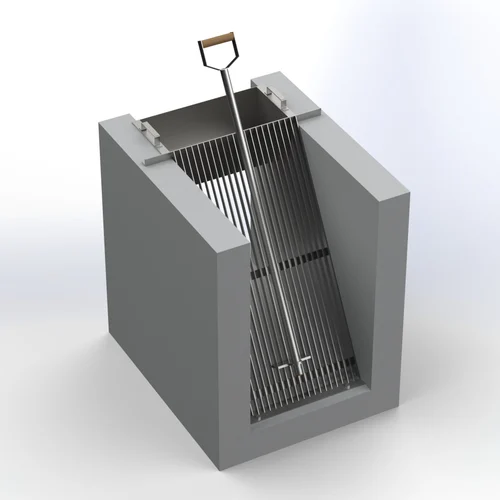
Specifically, wastewater first passes through a grille (similar to a row of parallel iron railings) to intercept large floating objects; then enters a grit chamber, where sand, gravel, and other heavy metal particles in the water settle under gravity; finally enters a primary sedimentation tank, where denser suspended solids (such as fine sand and organic particles) settle further, reducing the turbidity of the wastewater.
Stage 2: Biological Treatment – Decomposing Organic Matter by Microorganisms
Secondary treatment is the core stage of wastewater treatment. It mainly uses the metabolic activity of microorganisms to decompose organic matter in water into harmless carbon dioxide and water.
There are two common biological treatment methods: one is the activated sludge process, in which air is continuously introduced into a mixed liquid containing a large number of microorganisms. Microorganisms multiply rapidly in an aerobic environment, forming flocculent substances similar to "sludge" (activated sludge), which adsorb and decompose organic matter in water; the other is the biofilm process, in which wastewater flows through a biofilm attached to the surface of carriers (such as ceramics and plastics), and microorganisms on the biofilm decompose organic matter in water.
Stage 3: Advanced Treatment – Removing Residual "Persistent Pollutants"
For scenarios with high water quality requirements (such as reuse in industrial production, landscape water, and supplementary water sources for drinking water), tertiary treatment, also known as advanced treatment, is required. The goal of this stage is to remove a small amount of residual pollutants after secondary treatment, such as nitrogen, phosphorus, heavy metals, and trace organic substances.
Tertiary treatment adopts a variety of methods, including filtration (using filter materials such as quartz sand and activated carbon to further remove suspended solids and organic matter),disinfection (using chlorine, ultraviolet rays, ozone, etc. to kill bacteria, viruses, and other microorganisms in water), nitrogen and phosphorus removal (removing nitrogen and phosphorus from water through chemical or biological methods to prevent eutrophication of water bodies), and membrane separation technology (using special membranes to filter out tiny impurities and heavy metals in water).
IV. Where Does the Treated Water Go? Realizing "Waste to Treasure"
Many people wonder where the treated wastewater goes. In fact, there are three main destinations:
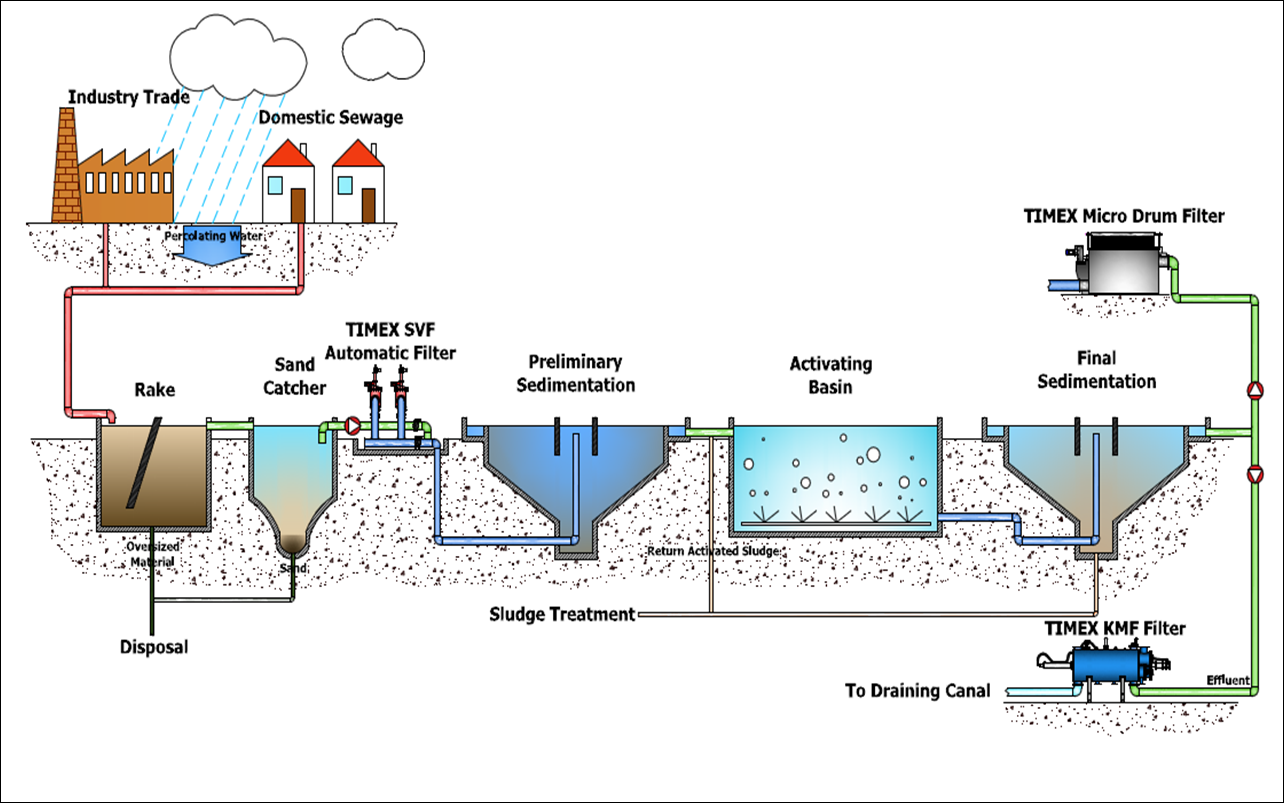
First, discharge into natural water bodies: After secondary treatment, the wastewater that meets national discharge standards can be discharged into natural water bodies such as rivers, lakes, and oceans to supplement water resources and participate in the natural water cycle.
Second, recycling: After tertiary treatment, the wastewater can be used as reclaimed water for industrial cooling, agricultural irrigation, urban greening, landscape water, etc. For example, the fountain water in parks and road cleaning in many cities use reclaimed water; some factories also use reclaimed water in the production process to reduce dependence on fresh water resources.
Third, supplementing drinking water sources: In water-scarce areas (such as Singapore), reclaimed water after advanced treatment is further treated to meet drinking water standards and then supplemented to drinking water sources, realizing the leap from "sewage to drinking water."