Environmental Risks of Substation Oily Wastewater and Advanced Treatment
1. Introduction: Generation and Environmental Risks of Oily Wastewater in Substations
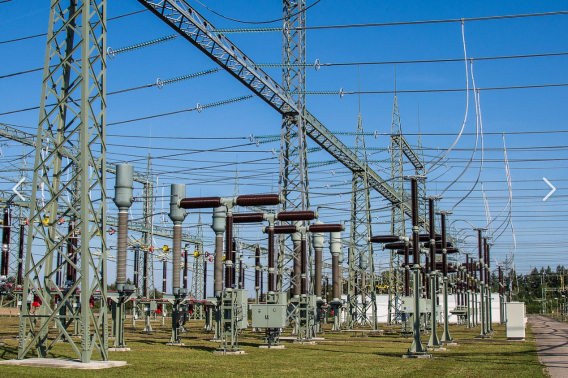
Substations are essential for ensuring a stable and reliable power supply to urban areas by distributing electricity. These facilities contain various electrical components, such as transformers and reactors, which are filled with mineral oil—commonly referred to as transformer oil. This oil serves vital functions such as insulation, heat dissipation, and preventing electrical arcing. In the event of an accident or during maintenance of the transformer, the oil is typically released into an oil containment pit, then flows through an underground drainage system to the oil catchment basin. At present, most substations directly discharge this accident oil into their rainwater drainage systems. Rainwater from the catchment basin can carry oil pollutants into the pipeline system, resulting in the creation of oily wastewater. This issue worsens during periods of heavy rainfall, which increases the likelihood of excessive oily wastewater being discharged. Despite these concerns, there is limited research into the management of oily wastewater from substations. Many assume that the volume of such wastewater is insignificant, leading to its treatment being neglected. However, ignoring the proper management of oily wastewater not only threatens the quality of stormwater networks but also contributes to environmental pollution. Given the frequent occurrence of heavy rainfall, it is crucial to adopt effective treatment strategies for substation oily wastewater to protect environmental quality.
2. Core Challenges in Substation Oily Wastewater Treatment
Treating oily wastewater from substations is particularly challenging compared to standard wastewater treatment due to several key factors. The oil-contaminated wastewater from substations is a complex mixture of pollutants, which includes chemical oxygen demand (COD), biological oxygen demand (BOD), and various soluble oils. These pollutants range from insulating oils to lubricants and hydrocarbons, creating a diverse blend of physical and chemical characteristics. Furthermore, one of the primary challenges in treating substation wastewater is the potential formation of emulsified oils. These emulsified oils prevent the effective aggregation of oil droplets, making separation from water difficult and complicating the treatment process. Conventional separation techniques are often insufficient for removing emulsified oils. Standard wastewater treatment methods may not effectively eliminate these substances, highlighting the need for innovations that can destabilize the emulsions and facilitate efficient oil-water separation. In recent years, there has been a growing interest in the use of advanced materials with strong treatment capabilities, such as graphene, potassium permanganate, membrane materials, and metal oxides. These materials have proven effective in adsorbing and filtering oily wastewater, although they come with relatively high treatment costs and may require more maintenance.
3. Innovative Solutions
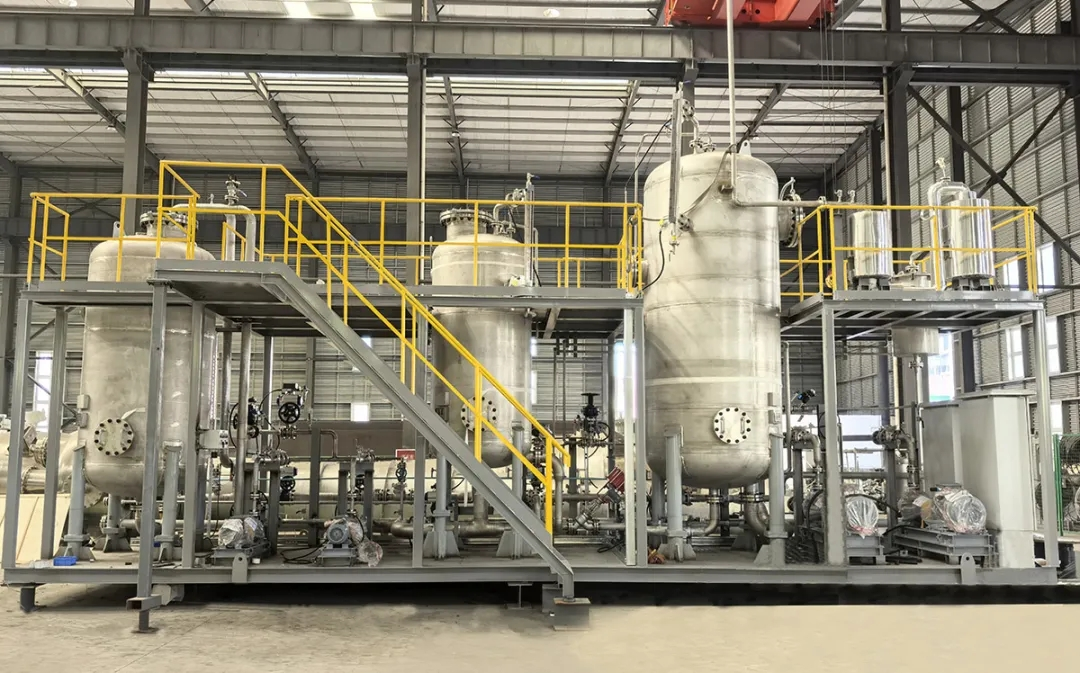
Therefore, from a practical perspective, Sinokle's technique has a unique edge over the other ones. Advanced technologies like the Cyclonic Dissolved Ozone Flotation (CDOF) unit and Cyclonic Dissolved Gas Flotation (CDFU) have emerged as core solutions. CDOF integrates ozone multi-stage catalytic oxidation, hydraulic cavitation, and cyclonic flotation, achieving rapid removal of oils, suspended solids, and COD within 15 minutes. Its pure physical process avoids chemicals, eliminates secondary pollution, and reduces sludge by over 90%. CDFU enhances bubble flotation efficiency through cyclonic separation, achieving >90% oil removal with minimal energy consumption.

These systems offer compact, skid-mounted designs, occupying just one-fifth of traditional setups, and enable fully automated, closed-loop operation for safety and low maintenance. For instance, a heavy oil power plant in Sierra Leone treated 120 m³/d wastewater using a two-stage CDFU + KFM filter process, reducing oil content from 200 mg/L to 5 mg/L. Similarly, projects in Bangladesh and China demonstrated consistent effluent quality with oil levels below 10 mg/L.
By leveraging such innovations, power plants can achieve reliable, eco-friendly wastewater management, turning operational challenges into opportunities for environmental stewardship.